What if your next industrial kitchen design could be installed in weeks, not seasons, and actually elevate the member experience? In 2025, private clubs are pushing beyond the traditional, fixed clubhouse kitchen to activate culinary service at the turn, the dock, the courts, and the pool — reducing congestion, increasing food-and-beverage revenue, and delivering faster, more personalized service.
This shift reflects broader commercial kitchen design trends where flexibility, modular layouts, and smart technology are reshaping how hospitality spaces are built and operated. Industry experts highlight that modern commercial and industrial kitchens are placing increased emphasis on adaptability, sustainability, and technology integration to meet evolving operational needs and enhance the guest experience.
Industrial kitchen design is especially well-suited for private clubs because it combines durability, operational efficiency, and visual impact. When paired with modular or container-based construction approaches, these kitchens allow clubs to activate new dining zones rapidly, streamline compliance with health and safety standards, and adapt to seasonal and event-driven demand without the delays and disruptions of permanent construction.
This guide explores 15 industrial kitchen design ideas specifically built for private clubs, focusing on exterior aesthetics, interior equipment planning, and functional floor layouts that balance premium member experience with real-world operations.
Industrial kitchen design in private clubs prioritizes throughput, durability, and code compliance while preserving a premium, member-first experience. Unlike traditional foodservice environments, private clubs must seamlessly flex from low-volume weekday service to high-intensity tournaments, weddings, banquets, and seasonal member events — often within the same footprint.
The design response is a performance-driven kitchen environment built around stainless steel and solid-surface work zones, high-efficiency ventilation systems, ENERGY STAR-rated cooking equipment, robust grease and waste management, and ADA-compliant service points. These functional elements are then paired with exterior finishes, sightlines, and layouts that align with the club’s architectural style and brand expectations, ensuring the kitchen supports — not detracts from — the overall member experience.
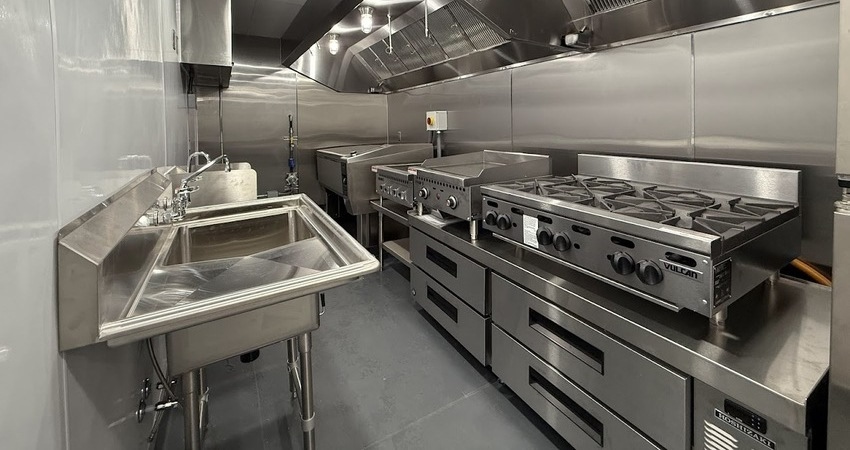
Each concept pairs exterior design, interior equipment selection, and floor-plan logic to help private clubs right-size utilities, ventilation, and staffing to the exact menu and service volume.
Exterior
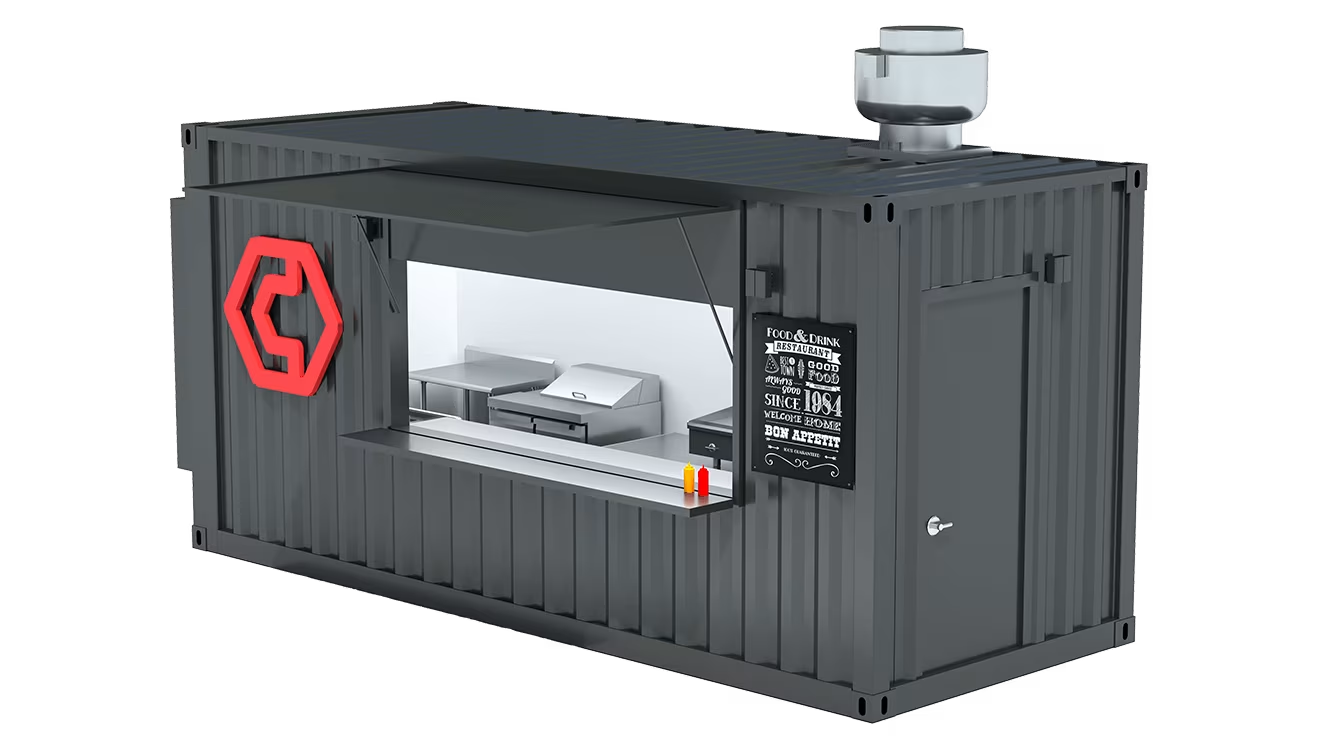
20' module with a pass-through service window, deep sunshade, durable cladding (powder-coated steel or cement panel), anti-slip service deck, and queue rails positioned to preserve course flow.
Interior Equipment
Undercounter refrigerators, compact hot holding or warmers, low-profile refrigerated prep table, POS with kitchen display, optional drop-in heated well, dedicated hand sink, and compact ice bin.
Floor Plan
Single straight galley line with swing space for one runner. Designed for 1–2 staff. Service window positioned mid-bay to keep reach-in doors clear. Trash and compost corral placed outside the circulation path.
Exterior
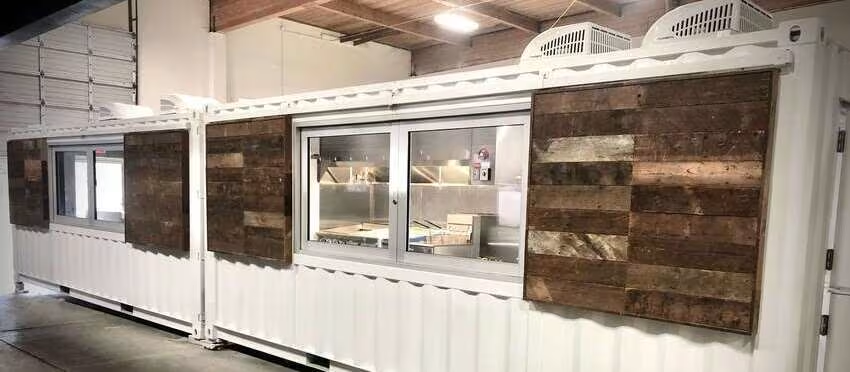
Two 20' modules arranged in an L-shape with marine-grade finishes, teak accent slats, and bi-fold awnings for shade and wind control. Non-skid decking with drip edge at dock interface.
Interior Equipment
Module A (Cold): Ice wells, undercounter refrigeration, chilled display case, oyster station with dedicated hand sink, and point-of-use sanitizer.
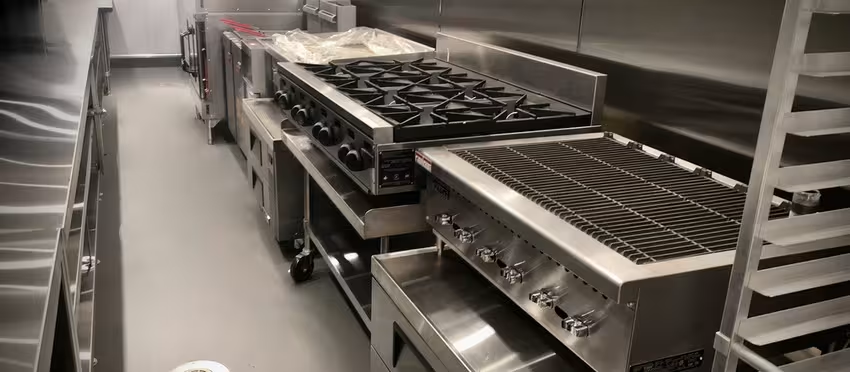
Module B (Hot): Chargrill, flattop, fryer battery, Type I hood with baffle filters, hot holding, and a compact dish corner.
Floor Plan
Cold bar faces the dock while the hot line sits perpendicular under the hood with a short duct run. Ticketing routes to the raw bar first. Raw protein flow remains fully separated from ready-to-eat plating.
Exterior
Narrow counter opening with acoustic panels, order shelf under a shade trellis, and soft lighting to preserve quiet zones adjacent to courts.
Interior Equipment
Espresso machine with low-dBA pump, backbar blenders in sound enclosures, nugget ice machine, undercounter dish unit, milk and alternative-milk refrigeration, and compact refrigerated prep table.
Floor Plan
Backbar-focused layout with blenders shielded behind partial-height baffles. Hand sink and dump sink at the barista station. Side pickup ledge prevents crowding along court walkways.
Exterior
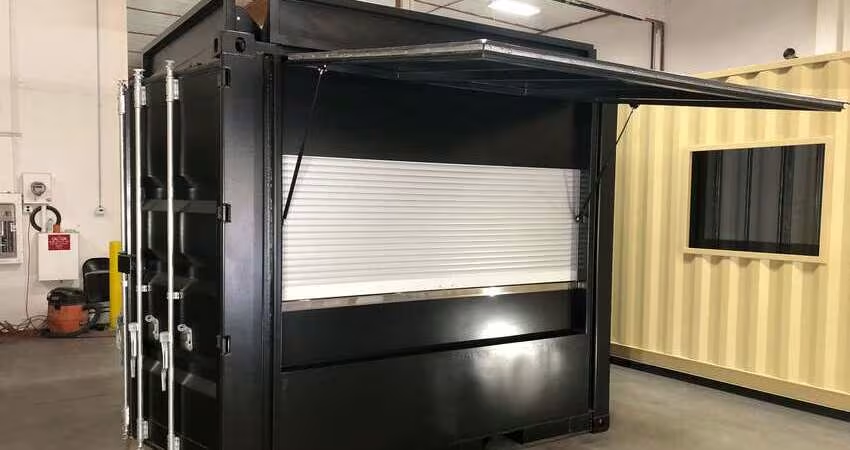
Dual order and pickup windows, defined queue rails, integrated menu boards, under-awning fans, and misting systems where permitted.
Interior Equipment
High-output fryers with built-in filtration, compact conveyor or toaster, soft-serve niche with dip well, reach-in refrigeration, undercounter freezer, slush or smoothie unit, and POS with kitchen display.
Floor Plan
U-shaped cookline with fry dump near pickup windows. Soft-serve bay offset to prevent cross-traffic. Floor drains and slip-resistant surfaces sized for wet environments.
Exterior
Dimmable perimeter lighting, wind screens or clear panels, portable host stand, and optional pergola roofline coordinated with event tents.
Interior Equipment
Induction cook suite, combi oven, plate warmers or warming drawers, backbar refrigeration, salamander or finishing torch, and a chef’s counter serving 12–16 guests.
Floor Plan
Peninsula chef counter facing guests with the hot line directly behind under a Type I hood—or listed ventless induction where approved. Plate drop oriented toward service access.
Exterior
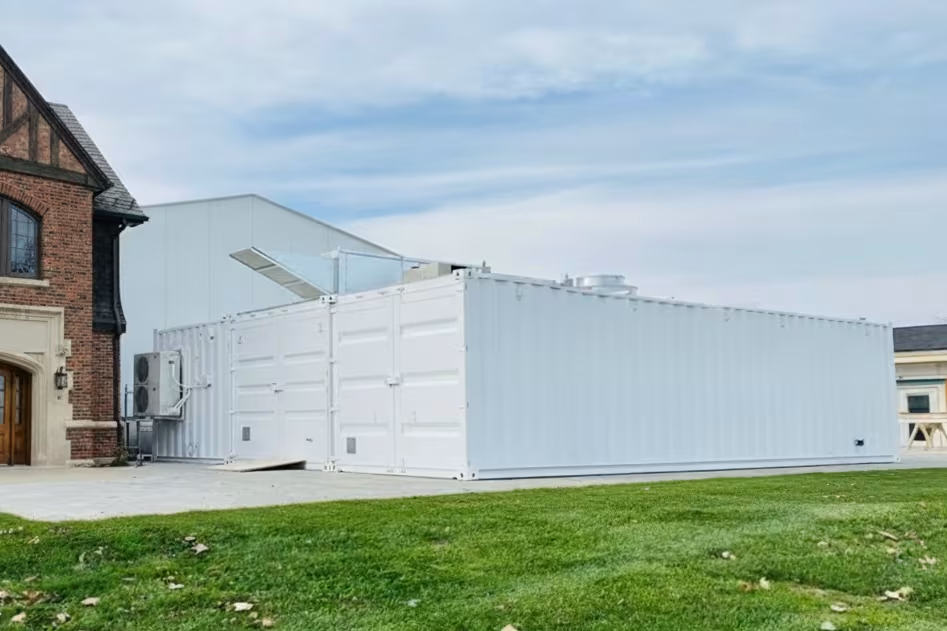
40' module with double load doors, pallet-ready apron, forklift turning radius, and shaded bulk-receiving canopy.
Interior Equipment
Integrated or remote walk-in cooler/freezer, dry storage shelving, 30–40 qt mixers, food processors, bulk prep tables, vacuum sealer, large ice machine, and mobile speed racks.
Floor Plan
Zoned for receiving at one end, bulk prep mid-bay, and outbound distribution to satellite pods. Clear egress paths and HACCP separation maintained throughout.
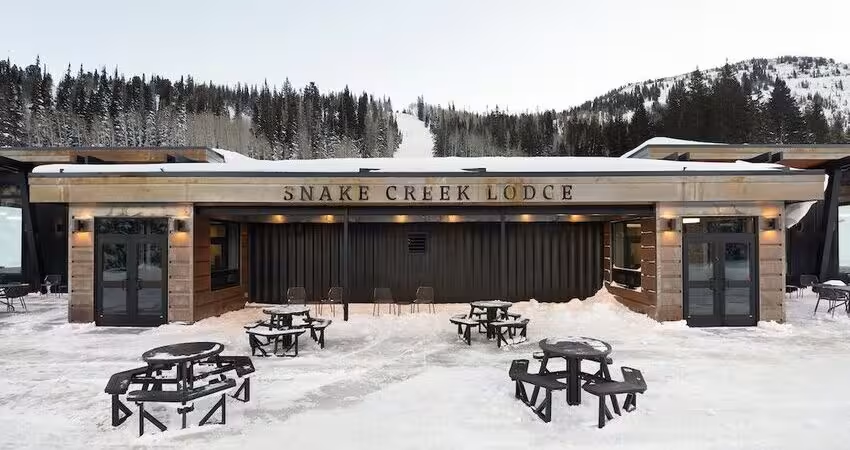
.avif)
Exterior
Plug-and-play utility connections with a vestibule link to existing dining spaces. Exterior cladding matched to clubhouse architecture.
Interior Equipment
Hooded cookline with charbroiler, griddle, fryer battery with filtration, hot holding, pass-through warmer, and compact dish area with high-temp undercounter machine.
Floor Plan
Line-to-pass configuration supporting runner service into the dining room. Door swings and landing clearances coordinated with clubhouse traffic patterns.
Exterior
Pergola roof with vines or living-wall façade, dimmable bistro lighting, and radiant heaters for shoulder-season use.
Interior Equipment
Chilled tapas display, undercounter dual-zone wine refrigeration, induction tapas station, plate warmer, low-profile glasswasher, and dedicated hand sink.
Floor Plan
Backbar plus induction island. POS positioned at entry. Pour station and glasswashing separated from hot induction to reduce heat and breakage risk.
Exterior
Integrated AV mounts for leaderboards and TVs, acoustic baffles at soffits, and built-in trash and recycling alcoves.
Interior Equipment
Flatbread or deck oven, wing station with fryer and dump, refrigerated rails, reach-in refrigeration, hot holding, and self-serve beverage wall integration.
Floor Plan
Two-line system with a primary production line and a finishing/garnish line to manage surge volumes. Beverage wall placed on a separate power circuit away from the hot line.
Exterior
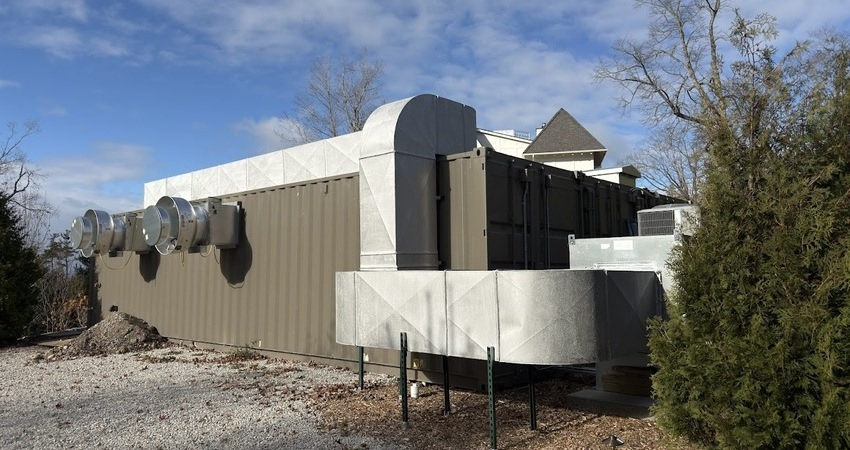
Glass merchandisers, cashless kiosks, clear allergen labeling, and directional wayfinding from fitness entries.
Interior Equipment
Sealed cold-prep surfaces, reach-in display refrigeration, undercounter refrigeration, vacuum sealer for MAP packs, allergen-zoned tools, and touchless hand sink.
Floor Plan
Assembly bench with cold well supported by a back-of-house micro-prep and dish zone. Kiosks positioned to prevent queue spillover into spa areas.
Exterior
Located behind marquee tents or ballroom docks with mobile plate rails and speed racks staged under canopy.
Interior Equipment
Combi ovens, holding cabinets, heat lamps, plate warmers, mobile worktables, and hot-box landing space.
Floor Plan
Parallel finishing flow: combi → hold → plate → pass. Dedicated landing for rental racks and a direct path to banquet floors to preserve plate temperature.
Exterior
Solar awnings sized to site exposure, recycled cladding, rainwater hand-wash systems where allowed, and a digital metrics board displaying energy and water performance.
Interior Equipment
All-electric induction line, ENERGY STAR refrigeration and dish, heat-pump water heater where feasible, and sub-metering for performance dashboards.
Floor Plan
Induction island paired with a high-efficiency hood or listed ventless systems per local code. Makeup air balanced for staff comfort without overcooling.
Exterior
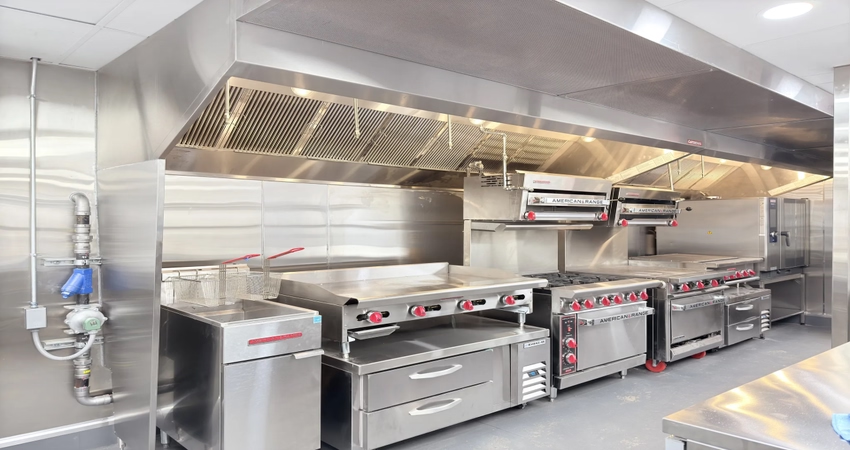
Impact-resistant panels with playful graphics, rounded corners, and anti-slam hardware.
Interior Equipment
Compact pizza or flatbread oven, small reach-in refrigeration, color-coded allergen tools, kid-height hand sinks where permitted, and a compact ware area.
Floor Plan
Short U-shaped layout keeping hot equipment on one wall. Parent check-in window maintains visibility into the space.
Exterior
Wood and metal façade with proper clearances, external smoker stack with spark arrestor, and weather hood over carving window.
Interior Equipment
Listed commercial smoker with fire separation, hot holding cabinets, carving station, cold rails for sides, and a hand sink at the cutting area.
Floor Plan
Linear smoker-to-carve workflow. Fuel storage housed in a compliant, ventilated compartment. Grease management sized for heavy-protein output.
Exterior
Insulated service windows, vestibule entry, radiant heaters, ceiling fans, and wind- or hurricane-rated fastenings for exposed sites.
Interior Equipment
Compact combi oven, induction cook suite, reach-in refrigeration, hot holding, and comfort conditioning sized for staff and guest interaction.
Floor Plan
Central island cook suite with pass at the service window. Mechanical closet designed for easy filter access. Vestibule buffers heat and cold at the entry.
ContekPro designs and manufactures premium, sustainable prefabricated modular kitchens engineered for demanding hospitality environments. For private clubs, our approach shortens timelines, reduces disruption, and delivers kitchens that perform reliably across daily service, peak events, and seasonal surges.
For private clubs, this translates into:
Industrial kitchen design gives private clubs the flexibility to serve members where and when they want — on the course, by the dock, courtside, poolside, or during large-scale events — without overloading the main clubhouse. In 2025, the most successful clubs are deploying modular, performance-driven kitchens that balance speed, durability, and code compliance with the premium experience members expect.
By pairing the right kitchen format with the right location, menu, and service volume, clubs can unlock new revenue, improve service flow, and future-proof food and beverage operations as demand shifts seasonally and over time. Modular industrial kitchens make this possible by reducing construction timelines, minimizing disruption, and enabling phased expansion without permanent construction.
For private clubs planning their next phase of foodservice investment, industrial kitchen design is no longer just a back-of-house decision, it is a strategic tool for enhancing member experience, operational resilience, and long-term value.
Ready to explore a modular kitchen solution for your club? Contact ContekPro to discuss design, compliance, and deployment options.
Successful industrial kitchen design for private clubs combines high-throughput zoning, durable finishes, robust ventilation and fire suppression, energy-efficient equipment, and ADA-compliant service points while maintaining an exterior aesthetic that aligns with the club’s brand. The goal is performance without compromising the member experience.
Modular kitchens are typically pre-engineered to national standards such as the FDA Food Code, NFPA 96, ADA 2010 Standards, and NSF equipment listings. Local AHJ requirements are addressed through site-specific adjustments such as utility connections, setbacks, or fire access before installation.
Yes. One of the primary advantages of modular design is scalability. Clubs can deploy a single pod initially, then add additional modules such as prep, storage, or finishing units, as demand grows, without reworking the original installation.
Chefs and F&B leadership should be involved at the earliest design stage. Menu decisions directly affect equipment selection, hood sizing, utility loads, and staffing models. Early collaboration ensures the kitchen supports real service conditions rather than theoretical capacity.