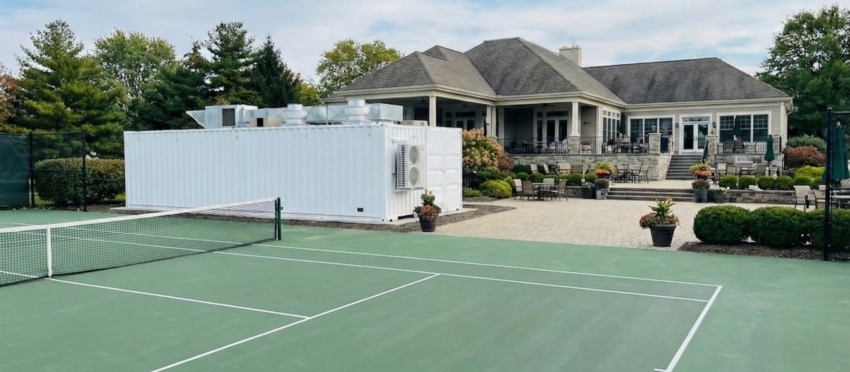
For many tennis clubs, food and beverage used to be a “nice-to-have” — a small snack bar, a vending machine, or a basic café tucked inside the clubhouse. Today, it’s a core part of the member experience and a major driver of satisfaction, event revenue, and time spent on-site. Recent club industry research even highlights food and beverage as one of the top value propositions and leading sources of member dissatisfaction when it’s not done well.
A shipping container kitchen gives tennis clubs a flexible, fast, and cost-effective way to upgrade their F&B offering without committing to a major construction project. It can sit courtside, near the pool, by the parking lot, or anywhere on-site you want to activate. And because it’s a fully equipped commercial kitchen built inside a shipping container, it can be engineered and outfitted in a factory, then delivered to your club almost ready to use. Industry case studies show that modular container kitchens can significantly reduce deployment time and construction costs compared to traditional builds.
In this blog, we’ll walk through why food and beverage has become so critical for tennis clubs, what a shipping container kitchen actually is, why it’s such a strong fit for racquet facilities, and how to plan, design, and implement one — from site selection and utilities to branding, compliance, and working with a modular provider like ContekPro.
Members today don’t just come to play tennis. They come for a lifestyle:
If your F&B offering is limited, slow, or inconveniently located, members simply order delivery or leave the club to eat elsewhere. A well-placed shipping container with kitchen capabilities allows you to serve members exactly where they are near courts and social spaces so spending stays on-site.
Many clubs start with:
These setups are hard to scale and rarely meet health code and production needs for sustained growth.
A well-planned kitchen shipping container can become a permanent F&B anchor that:
You move from “just snacks” to a reliable, permanent F&B hub that supports your club’s long-term strategy.
Why not just build a new wing or add a conventional extension?
Typical challenges include:
A shipping container prep kitchen or full-service container solution lets you bypass many of these constraints by providing a standalone, permanent kitchen structure that can be placed where it’s most useful — without a full construction project tied into the existing building.
.avif)
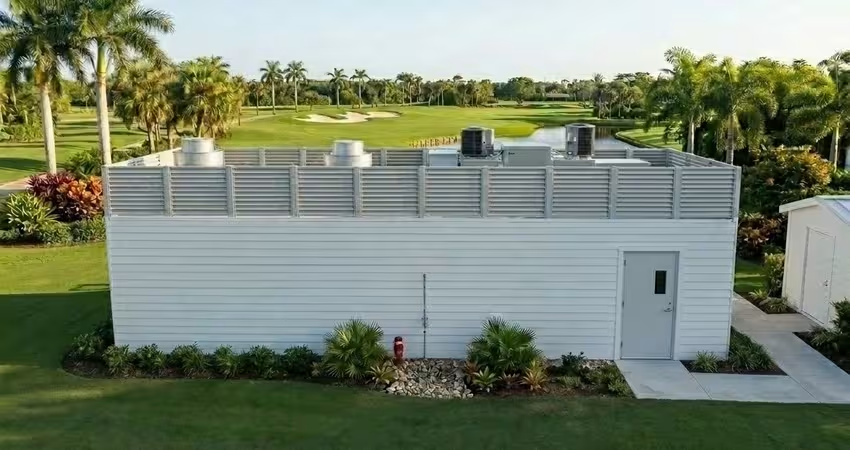
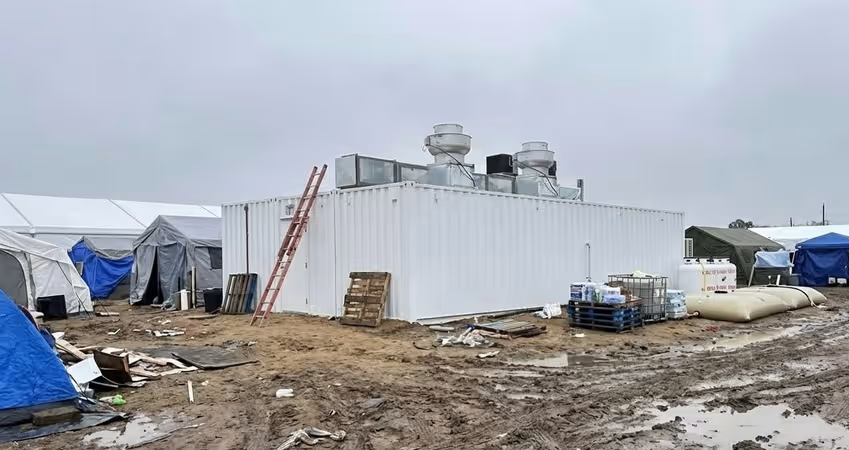
A shipping container kitchen is a permanent-grade, prefabricated commercial kitchen built inside one or more ISO container–sized modules. Unlike food trailers, these units are engineered to meet building, fire, and health codes (including the intermodal container provisions in the 2021 International Building Code) and are reviewed and approved by the local Authority Having Jurisdiction (AHJ).
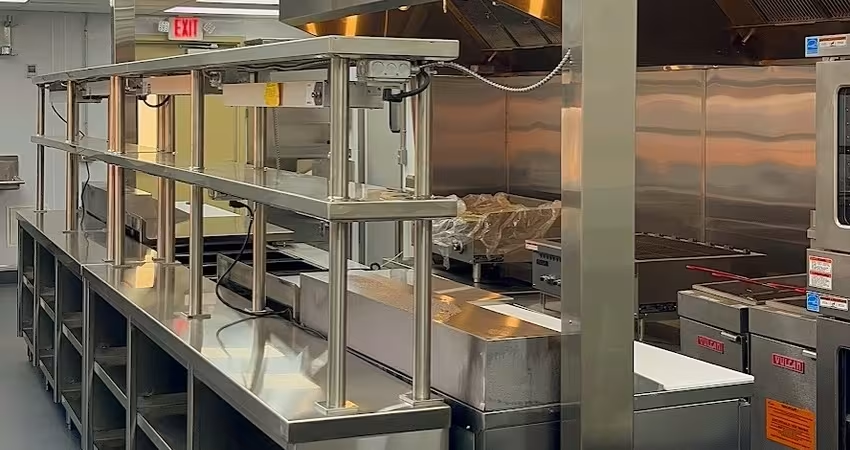
Because they’re factory-built off-site, container kitchens arrive on your property largely ready to install, with:
To dive deeper into how shipping container kitchens are designed and built, explore our full introduction article here.
Real estate near the courts is often tight and irregularly shaped. A container:
Because the footprint is defined (20ft or 40ft), it’s easier to fit into site plans than a fully custom building.
Most of the fabrication and fit-out happens off-site. For your club, this means:
Members see a fast transformation from idea to functioning F&B hub, with less day-to-day interference than traditional building work.
Tennis clubs handle a mix of:
A container kitchen is designed to operate permanently as part of your core infrastructure while being robust enough to handle event peaks. If demand increases, you can expand by adding an additional shipping container with kitchen or complementary modules (bar, prep, storage) without re-opening a large construction project.
The exterior of a kitchen shipping container is a huge branding opportunity:
A thoughtfully designed container kitchen becomes part of your club’s identity and can offer sponsor visibility during major events — all while functioning as a permanent F&B facility.
Tennis clubs experience heavy foot traffic and periods with minimal staff on site. Container kitchens:
This level of durability is particularly valuable when the unit is located away from the main clubhouse or sited in exposed areas of your property.
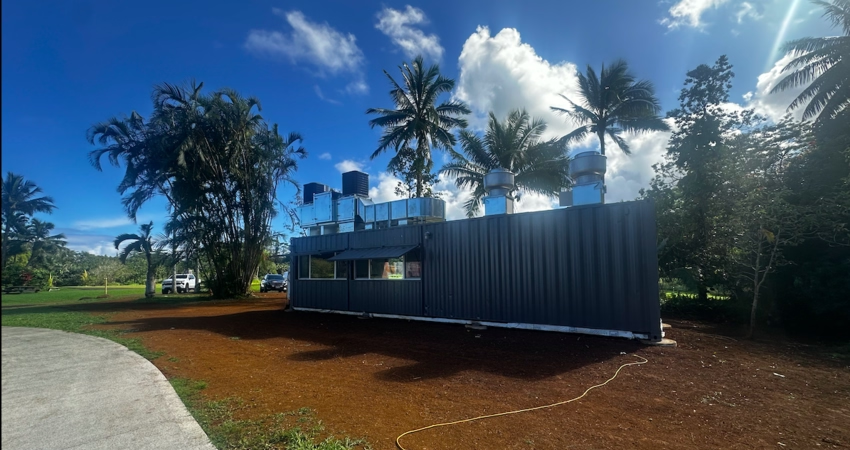
Before you think about equipment or layout, get crystal-clear on your F&B concept:
Your answers will determine whether you need:
Once your menu and volume are defined, you can right-size the kitchen:
A modular provider like ContekPro can help you select a proven layout template and adapt it to your tennis club’s operations, reducing trial-and-error and ensuring efficient staff movement from day one.
Where you place the container kitchen will shape both operations and guest experience. Consider:
The goal is simple: make it effortless for players and spectators to order and pick up food without disrupting matches or overcrowding the clubhouse.
A shipping container kitchen still needs the same backbone as any commercial kitchen:
Map out in advance:
The exterior of your kitchen shipping container is valuable visual real estate. Use it to reinforce your club identity and generate sponsor value:
This is where a clean, modular design really shines: you get a fully functional kitchen plus a strong, flexible branding asset in one permanent structure.
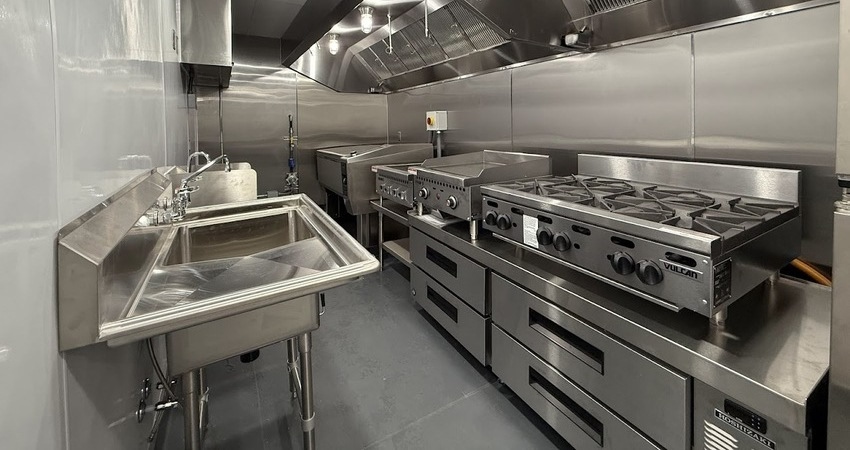
Place a container between courts and pool (if you have one) to serve:
This setup can operate independently of the clubhouse and becomes a permanent F&B hotspot at the heart of your property.
For clubs with strong morning and junior programs, a small container focused on:
…can become a daily ritual for members, boosting loyalty and spend.
An event-supporting shipping container prep kitchen can:
This gives you consistent, high-quality catering for club championships and large events without overloading an existing kitchen.
As your program grows, a multi-container concept can include:
All of these can be arranged around a central social space, turning an underused area into a vibrant, permanent F&B zone.
To ensure comfort and usability, consider:
These features make the container feel like an integrated, long-term part of your club, not a temporary add-on.
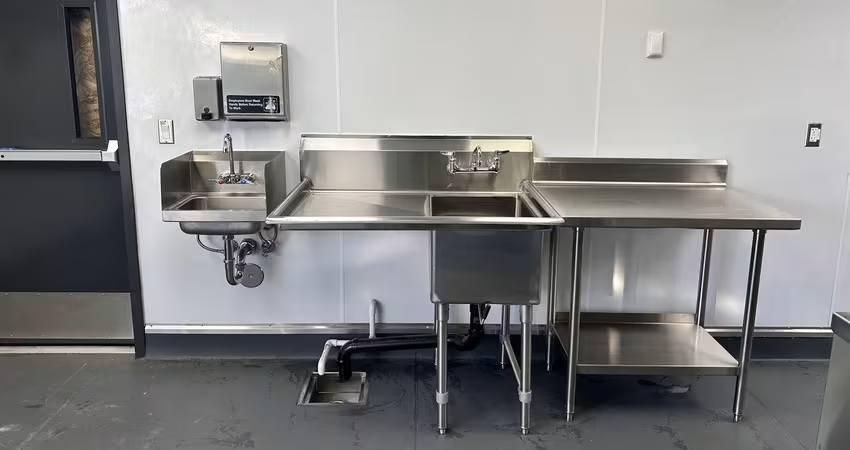
Even though a container is compact, it must still meet health code standards:
Working with an experienced shipping container kitchen conversions partner reduces the risk of layout mistakes that cause approval delays.
For hot cooking, you’ll need:
Factory-built commercial kitchen in a shipping container units are typically designed from the start with these requirements in mind.
Think beyond just the box:
Plan paths, signage, and pickup points to keep guests flowing smoothly around courts.
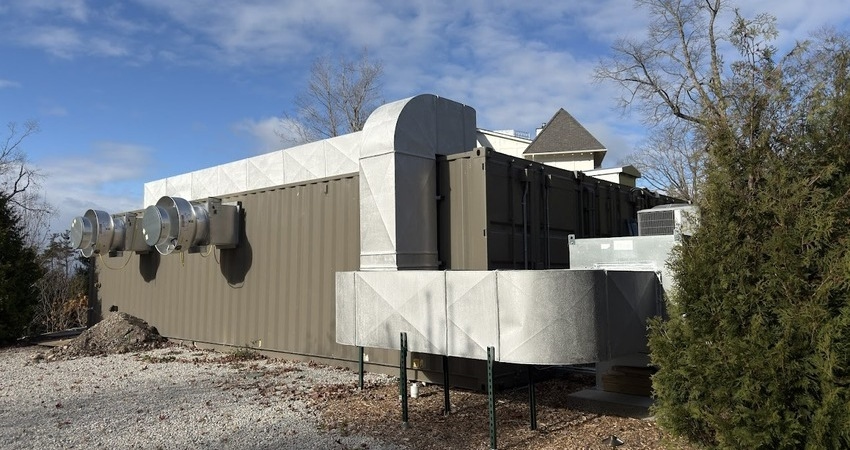
Start by validating that a shipping container kitchen is the right fit for your club:
Once the concept is approved, the project moves into detailed design and build:
In parallel, your club prepares the site:
When the unit arrives on-site:
Before you launch at full speed:
Within a relatively short period, your club can move from initial idea to serving players and guests from a professional, permanent shipping container kitchen, often with far less disruption than a traditional building project.
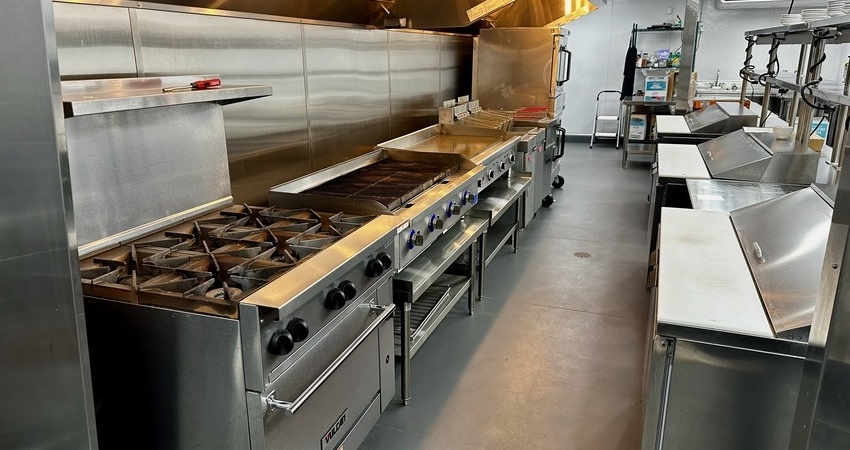
ContekPro designs and manufactures permanent-grade shipping container kitchens built to commercial building, health, and fire codes. Units are engineered to meet standards like NFPA 96 and relevant building codes, then reviewed by the local Authority Having Jurisdiction (AHJ). That means your courtside or poolside unit is a true commercial kitchen in a shipping container, not just a modified trailer or concession stand.
Many tennis clubs have limited space near courts, pools, or social areas. ContekPro offers pre-engineered 20' and 40' container kitchen configurations designed for compact footprints and high-output service lines. Layouts are optimized for clear workflow, safe staff circulation, and efficient integration of your preferred equipment for snacks, light meals, coffee programs, or full-service F&B.
Instead of forcing your concept into a generic box, ContekPro starts with your menu, service model, and volume targets. The team helps translate that into an equipment package and layout that fits a container footprint while staying compliant and operationally efficient for:
Tennis clubs face their own environmental challenges: heat, cold, sun, rain, and seasonal usage patterns. ContekPro container kitchens can be engineered with appropriate insulation, finishes, HVAC, and structural options (like snow-load–rated roofs where required) so your kitchen shipping container performs reliably across seasons and aligns with local codes and consultant requirements.
Each ContekPro unit comes with defined electrical, gas, water, and wastewater requirements and connection points. This makes it easier for your club’s facilities team, engineer, or contractor to plan:
Clear specs reduce surprises during installation and help keep the project on schedule.
Because the kitchens are factory-built, once a design is approved it can be produced, delivered, and installed more quickly than a traditional clubhouse expansion. This allows tennis clubs to bring new F&B capacity online faster whether you’re targeting the start of league season, summer camps, or a major tournament on the calendar.
If you operate multiple tennis clubs or facilities (or manage a racquet/fitness network), you can replicate the same ContekPro design across your sites. Standardizing on a container kitchen model supports:
ContekPro can collaborate with your club manager, F&B leadership, architect, and engineer to align the container kitchen with your overall site plan, member journeys, and long-term F&B strategy. The result is a shipping container kitchen that feels like a core, permanent part of your club campus — supporting daily play, events, and member life on and off the court.
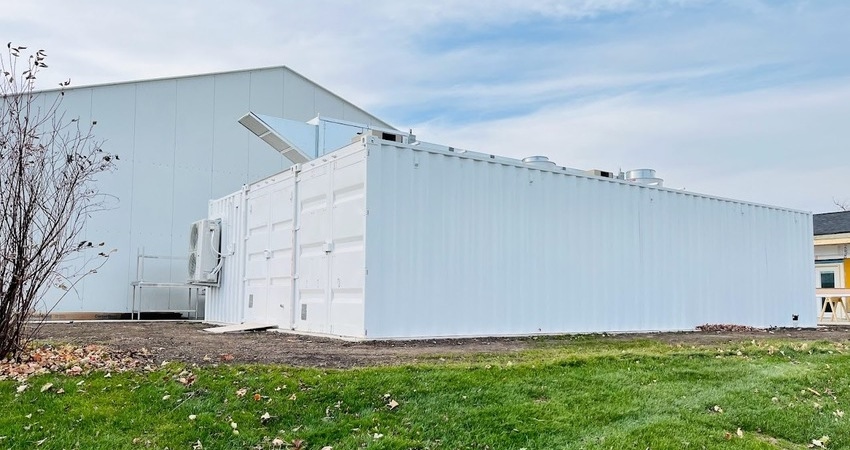
Food and beverage is no longer a side offering at tennis clubs, t’s a core part of the member experience, a driver of revenue, and a differentiator in an increasingly competitive club landscape. A shipping container kitchen gives clubs a faster, more flexible, and more cost-effective way to elevate F&B without the disruption, complexity, or expense of a traditional clubhouse renovation.
From courtside snack bars and coffee programs to full event-support kitchens and multi-container social hubs, modular container kitchens let clubs place service exactly where members need it most. And because these units are engineered to commercial codes, purpose-built in a factory, and delivered nearly turnkey, clubs can go from idea to match-day service in a fraction of the time.
With the right planning, site selection, menu design, and operational workflow, a shipping container kitchen becomes more than a structure, it becomes a permanent asset that strengthens your club’s culture, enhances daily play, and supports tournaments, leagues, junior programs, and social events year-round.
For tennis clubs ready to upgrade their F&B offering with speed, quality, and confidence, ContekPro’s pre-engineered, code-compliant container kitchens provide a proven path forward. It’s a smarter way to grow — one that meets modern member expectations and keeps your club at the center of community life, on and off the court.
Ready to explore how a ContekPro shipping container kitchen can help you transform? Get in touch with our team today to start planning your solution.
Explore more modular hospitality solutions:
A shipping container kitchen can function as either, but most club projects are designed as permanent, code-compliant structures. The unit is typically installed on foundations or pads, connected to utilities, and reviewed by the local Authority Having Jurisdiction (AHJ). Unlike a food truck or trailer, it’s a true commercial kitchen that can serve your club year-round.
The overall timeline includes design, fabrication, and site preparation. Because much of the work is done off-site, onsite activity is more focused and predictable. After utilities and the pad are ready, delivery, placement, and final connections can often be completed in a significantly shorter window than a conventional build.
Yes, when designed and built correctly. A shipping container kitchen is engineered to the same standards as a standard commercial kitchen, including appropriate ventilation, fire suppression (e.g., NFPA 96), handwashing and dishwashing, approved finishes, and safe equipment layouts. The unit is then reviewed and inspected by local health, building, and fire officials just like any other kitchen.