%20(1).avif)
Planning a commercial kitchen construction project can feel overwhelming. Between coordinating architects, contractors, and equipment vendors, navigating complex building codes, managing escalating budgets, and keeping construction on schedule, many hospitality operators find themselves buried in details before breaking ground. In fact, according to the Construction Industry Institute, 90% of construction projects experience budget overruns, and timeline delays are nearly universal in traditional commercial kitchen builds.
Success hinges on thorough planning long before the first wall goes up. A well-structured project plan addresses budget, timeline, permits, stakeholder coordination, and regulatory compliance from day one, preventing costly mistakes and ensuring your kitchen opens on time and within budget.
This blog walks you through eight essential steps for planning a commercial kitchen construction project, from defining your scope to preparing for opening day. You'll learn how to assemble the right team, develop a realistic budget, navigate permitting, and avoid the common pitfalls that derail kitchen construction projects.
Projects that skip comprehensive planning face predictable consequences. Budget overruns averaging 20-30% are common when hidden costs emerge mid-construction. Equipment incompatibilities discovered during installation can add weeks to timelines. Permit rejections force expensive redesigns. Perhaps most damaging, delayed openings mean lost revenue during peak seasons when every day of closure costs thousands in missed bookings and sales.
The National Restaurant Association reports that inadequate planning is the primary reason restaurant and hospitality kitchen projects exceed budgets and miss opening deadlines. Many operators underestimate the complexity of coordinating mechanical, electrical, and plumbing systems with commercial kitchen equipment, leading to costly change orders during construction.
Conversely, operators who invest time in commercial kitchen construction planning achieve measurably better outcomes. Clear project scopes prevent scope creep and budget inflation. Early stakeholder engagement ensures designs meet operational needs and regulatory requirements before construction begins. Realistic timelines with built-in contingencies absorb inevitable delays without missing opening dates.
Well-planned projects also benefit from competitive bidding when contractors receive complete specifications, better financing terms when lenders see thorough documentation, and smoother inspections when designs incorporate code requirements from the start.
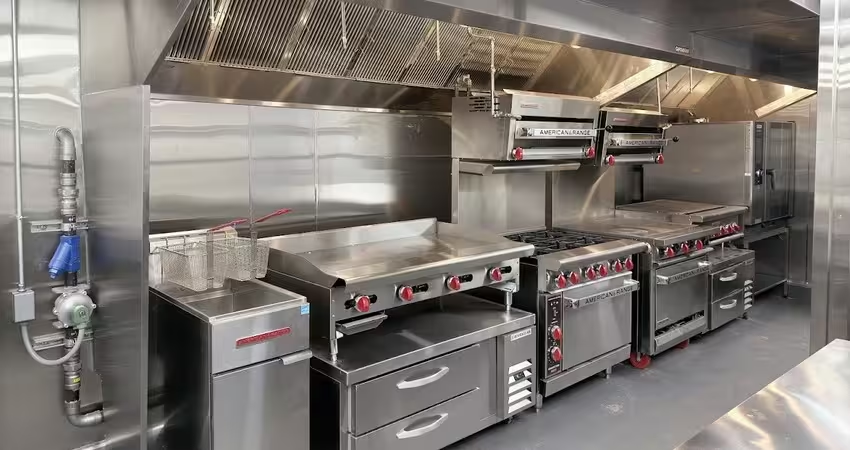
Start by identifying your operational model. A hotel banquet kitchen operates under entirely different demands than a country club dining room, resort poolside café, or fast-casual restaurant. Each service type creates unique workflow requirements, equipment specifications, and space allocations that must be defined upfront.
Quantify your operational parameters with specific metrics. How many meals will you serve daily at peak capacity? What's your target service speed — plated fine dining in 45 minutes or quick-service turnover in 8 minutes? Will you operate breakfast, lunch, and dinner services, or focus on specific dayparts? These volume requirements directly drive equipment sizing, layout decisions, and utility infrastructure needs.
Your menu drives every aspect of kitchen design and equipment selection. A commercial kitchen construction checklist should always begin with menu analysis. A scratch kitchen preparing complex dishes from raw ingredients requires significantly different equipment, space allocation, and workflow compared to an assembly-based operation using pre-prepared components or limited menus.
Consider future menu evolution as well. If you plan to expand offerings, add catering services, or introduce seasonal menus, build that flexibility into your initial design. As noted in our guide on commercial kitchen design principles, adaptable layouts that accommodate growth prevent costly renovations within a few years of opening.
Define measurable success criteria beyond simply "opening on time." Establish target metrics for construction cost per square foot, equipment budget as a percentage of total project cost, energy efficiency standards, and acceptable timeline ranges. These benchmarks guide decision-making throughout the project and help you evaluate proposals from contractors and equipment vendors.
Document any constraints you're working within, including maximum construction budget, firm opening deadlines tied to bookings or contracts, existing building limitations, and local zoning or historic preservation requirements. Understanding these parameters upfront prevents wasted effort on designs that exceed budget or timelines that can't meet critical deadlines.
A complete hospitality kitchen construction team typically includes an architect or designer experienced in commercial kitchens, a general contractor with foodservice construction expertise, a kitchen equipment dealer or consultant, mechanical, electrical, and plumbing (MEP) engineers, and a foodservice operations consultant who understands your service model.
Don't overlook regulatory stakeholders. Schedule early consultations with your local health department, building inspector, and fire marshal. Their input during design prevents permit rejections later. According to the International Code Council, pre-application meetings reduce permit review cycles by an average of 30%.
Design-build contracts place design and construction under a single entity, streamlining communication and accountability. This approach often accelerates timelines and reduces coordination headaches. Traditional design-bid-build separates design from construction, potentially offering more competitive pricing but requiring you to manage coordination between separate firms.
For complex hotel or resort kitchens, design-build typically delivers better outcomes. The contractor's construction expertise informs design decisions from day one, preventing unbuildable designs or specifications that exceed budgets.
Professional kitchen design consultants bring specialized expertise in workflow optimization, equipment specification, and code compliance. They're particularly valuable for high-volume operations, complex multi-station kitchens, or when your team lacks foodservice facility experience. Consultants typically charge 3-6% of total project costs but can save multiples of their fees by preventing equipment mistakes and layout inefficiencies.
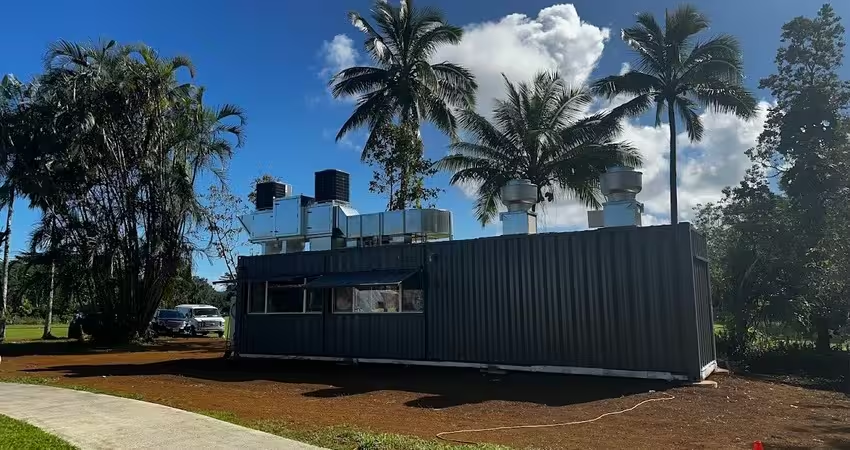
Commercial kitchen construction costs typically range from $150 to $400 per square foot for hospitality applications, according to industry benchmarks. For a 1,000-square-foot kitchen, expect total project costs between $200,000 and $350,000.
Major cost categories include:
For detailed equipment cost breakdowns, review our comprehensive commercial kitchen equipment guide.
Hidden costs derail budgets more than any other factor:
Contingency budgeting is essential. Allocate 15-20% of your total budget for unforeseen conditions, change orders, and cost escalations. Construction material costs remain volatile, and equipment lead times can force substitutions that impact budgets.
Commercial kitchen construction typically requires approvals across multiple disciplines. Most projects involve:
Additional permits may include fire suppression system approval, grease interceptor permits, or zoning authorization when changing building use. Because requirements vary by jurisdiction, early coordination with local authorities is essential.
The International Building Code (IBC) governs most commercial construction, but local amendments add specific requirements. Your design must comply with the FDA Food Code, which establishes standards for food safety, equipment specifications, and sanitation systems. Health departments enforce these through plan reviews and inspections.
Critical compliance areas include:
For complete guidance on health department inspections and approval processes, see our detailed article on health permit requirements.
The National Fire Protection Association NFPA 96 standard governs commercial kitchen ventilation and fire protection. Type I hoods are required over grease-producing equipment like fryers, ranges, and griddles, while Type II hoods handle heat and steam from ovens and dishwashers.
UL 300 compliant wet chemical fire suppression systems are mandatory for most commercial cooking operations. These systems must be professionally installed, inspected every six months, and integrated with hood ventilation to shut down equipment during activation. Make-up air systems must balance exhaust volumes to prevent negative building pressure while maintaining comfortable working conditions.
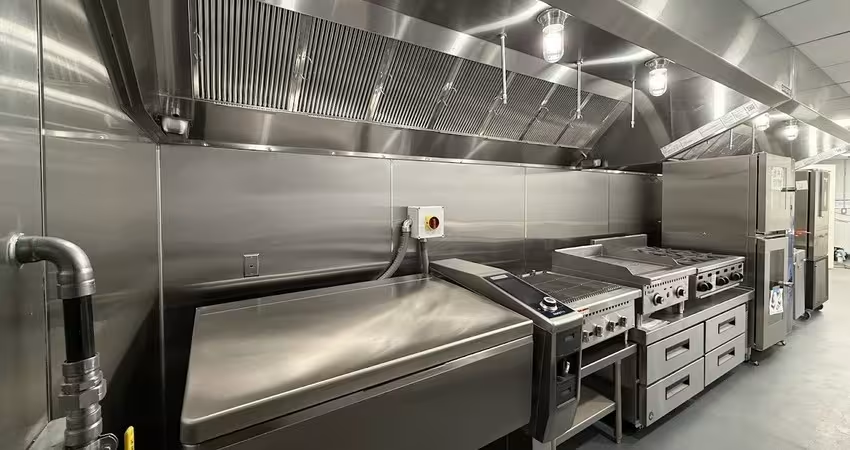
A commercial kitchen project typically progresses through several phases:
Depending on scope and permitting complexity, total project duration commonly spans several months to over a year for traditional construction.
Several variables extend or compress timelines. Equipment lead times now commonly reach 12-20 weeks for commercial-grade refrigeration and cooking equipment, making early ordering critical. Permitting duration varies dramatically by jurisdiction — major cities may require 8-12 weeks while smaller municipalities approve plans in 2-4 weeks.
Site conditions significantly impact schedules. Existing buildings often hide surprises like inadequate electrical service, structural issues, or asbestos requiring abatement. New construction offers more predictability but weather delays can add weeks during foundation and exterior work.
Effective layouts minimize unnecessary movement while maintaining logical workflow from receiving through storage, preparation, cooking, plating, service, and warewashing. Our article on kitchen layout options explores five proven configurations.
Consider the assembly line layout for fast-casual and quick-service operations, galley layout for space-constrained kitchens with limited menu offerings, island layout for high-volume operations with multiple stations, zone-style layout for diverse menus requiring dedicated prep areas, and open kitchen layout when showcasing culinary preparation enhances guest experience.
Order equipment early — this cannot be overstated. Commercial refrigeration, ovens, and specialized cooking equipment routinely require 12-20 week lead times. Custom fabrication like stainless steel prep tables adds another 6-10 weeks.
Coordinate equipment selection with your kitchen designer and MEP engineers. Each piece of equipment has specific utility requirements including electrical voltage and amperage, gas BTU input and pressure, water supply volume and pressure, drain size and slope requirements, and ventilation CFM demands. These specifications drive infrastructure design and must be confirmed before construction begins.
Calculate total electrical load early. Commercial kitchens typically require 200-600 amp service depending on size and equipment. Gas-fired equipment requires appropriately sized supply lines — a bank of ranges and ovens might demand 500,000+ BTU/hour capacity.
Water supply must support simultaneous demands from ice machines, dishwashers, prep sinks, and steam equipment. Size water lines for peak demand, not average use. Drainage planning must account for grease interceptors, properly sloped floor drains, and separate waste streams for equipment like dishwashers.
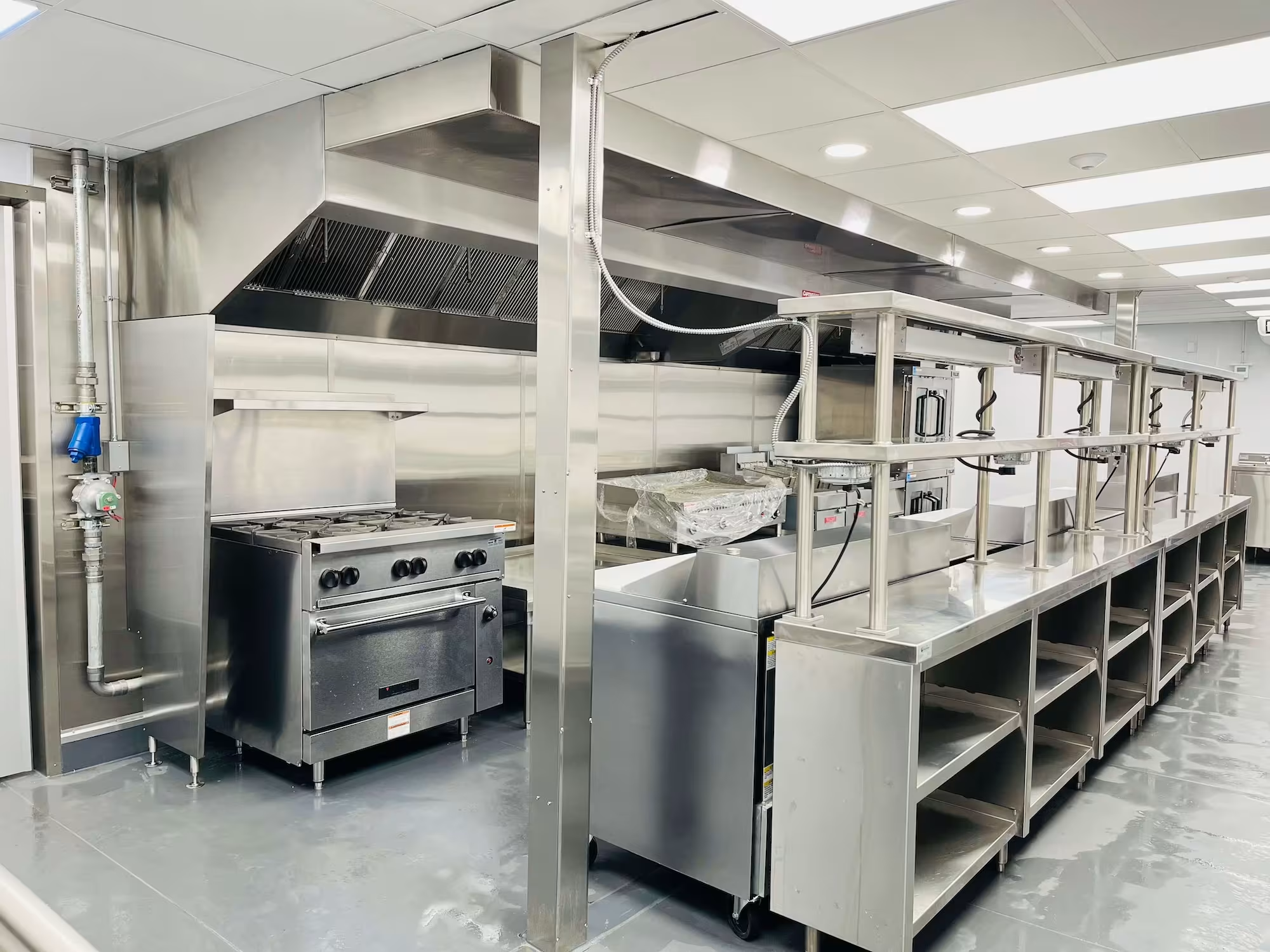
Before construction begins, verify all utilities are marked and accessible, permits are posted and accessible for inspections, equipment with long lead times has been ordered with confirmed delivery dates, temporary facilities for ongoing operations are established if renovating, and protection measures for adjacent spaces are in place.
Create a detailed pre-construction checklist covering these activities. Skipping this step often causes day-one delays when contractors arrive to find unprepared sites.
Commercial kitchens require careful sequencing of multiple specialized trades. Rough framing creates the structure, MEP rough-in installs concealed systems, hood installation requires structural support and ductwork, equipment setting happens after floors and walls are substantially complete, and finishes occur after equipment is positioned but before final connections.
Weekly coordination meetings keep all parties aligned on schedule and resolve conflicts before they cause delays. Document everything — meeting minutes, RFIs, change orders, and daily progress reports create accountability and prevent disputes.
Implement checkpoint inspections at critical milestones rather than waiting for final inspection. Verify rough-in work before covering with finishes. Confirm equipment installation meets manufacturer specifications. Test all systems before final health department inspection.
According to the Construction Industry Institute, projects with formal quality control checkpoints experience 35% fewer punch-list items and faster final approvals.
Factory-authorized technicians should commission all major equipment. This verifies proper installation, activates warranties, and trains staff on operation and basic maintenance. Create comprehensive documentation including equipment manuals, warranty information, service provider contacts, and maintenance schedules.
Test every piece of equipment under load conditions that simulate actual service. Run dishwashers through complete cycles. Bring ovens and ranges to full temperature. Verify refrigeration maintains proper temperatures when fully stocked.
Schedule soft opening periods to work out operational issues before full service. Staff need time to familiarize themselves with new equipment, workflows, and kitchen layout. Many operators conduct practice services with staff meals or invited guests to identify problems in low-pressure settings.
Schedule final inspections strategically. Building department inspections verify code compliance for structural, electrical, plumbing, and mechanical work. Fire marshal inspection confirms fire suppression system installation and operation. Health department inspection is typically last, after all other work is complete and the kitchen is fully equipped and operational.Prepare for inspections by conducting your own pre-inspection walkthrough. Address obvious deficiencies before the inspector arrives. Have all required documentation readily available including approved plans, equipment specifications, material certifications, and previous inspection approvals.
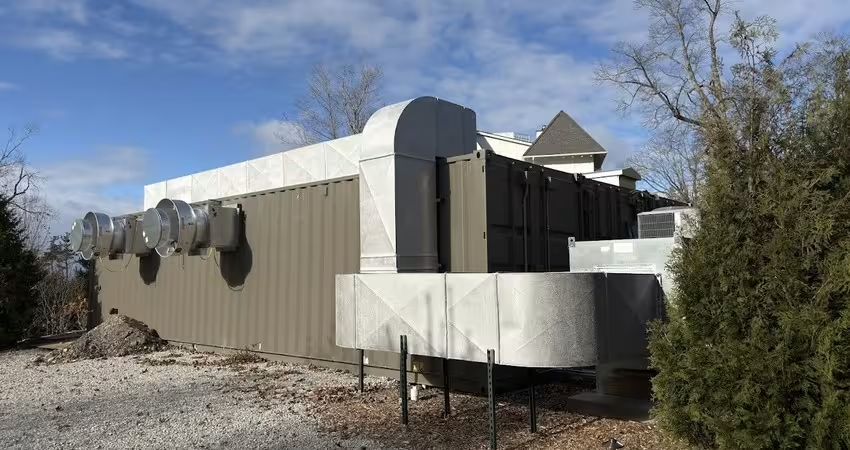
While traditional construction requires managing the complex process outlined above, prefabricated modular kitchens offer an alternative approach that addresses many common planning challenges.
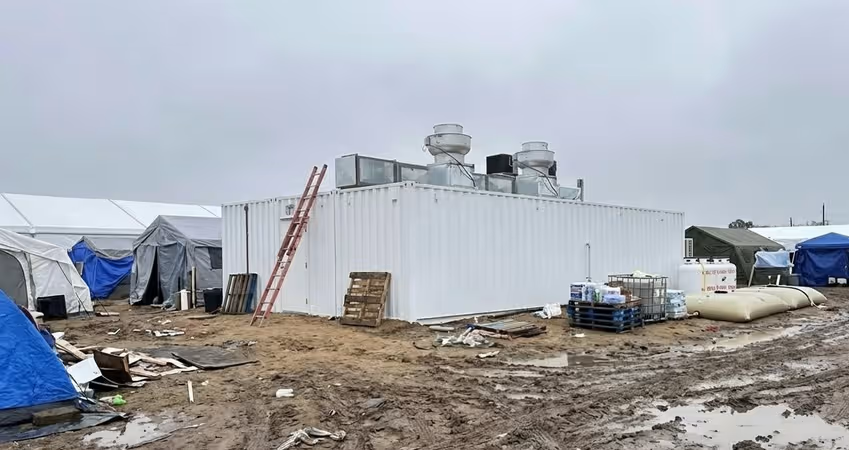
Modular kitchens are manufactured off-site in controlled factory environments while site preparation proceeds simultaneously. This parallel approach cuts total project timelines by up to 50%, getting hospitality operations revenue-generating faster. Factory construction eliminates weather delays and reduces coordination complexity between trades.
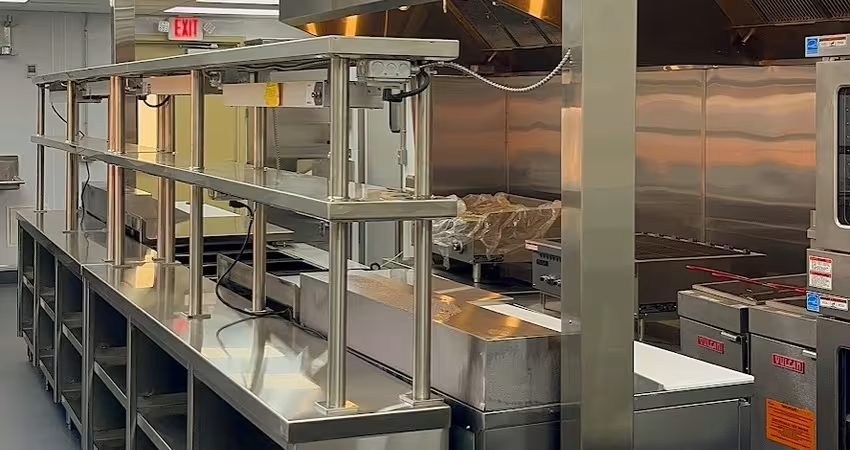
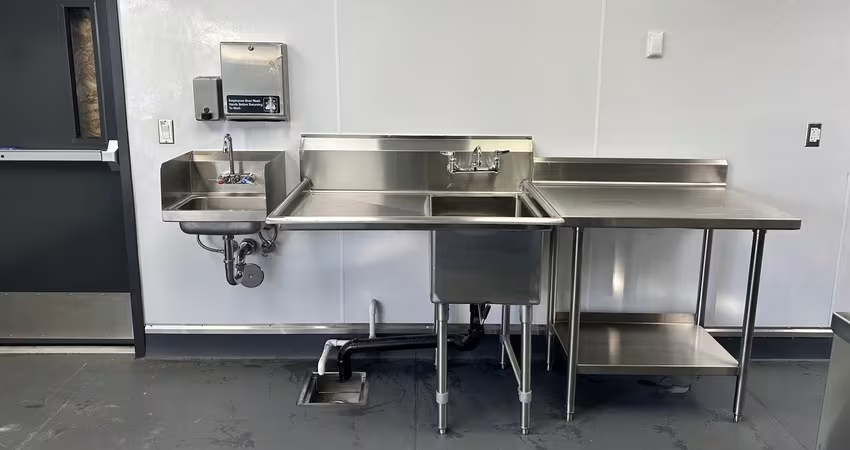
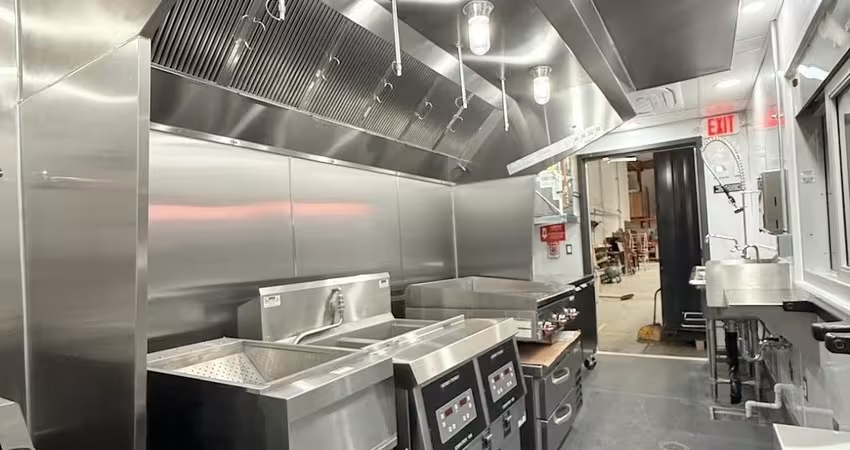
Quality modular kitchen manufacturers deliver units pre-engineered for code compliance. ContekPro's modular kitchens, for example, arrive with IBC-compliant structures, NFPA 96 ventilation systems, and UL 300 fire suppression already installed and tested. This significantly simplifies permit applications and inspection processes, as much of the complex mechanical work is pre-approved through factory certifications.
Modular construction provides clearer cost certainty upfront. A single price includes the complete kitchen structure, equipment, utilities, finishes, and delivery. This eliminates the coordination complexity and hidden costs inherent in traditional construction where dozens of separate vendors and contractors create budget uncertainty.
For hospitality operators planning hotel expansions, country club improvements, or resort kitchen additions, modular solutions streamline the entire planning process. Learn more about hotel kitchen solutions designed specifically for hospitality environments.
Planning a commercial kitchen construction project demands attention to countless details, but systematic approach makes the process manageable. By defining clear objectives, assembling the right team, developing realistic budgets and timelines, navigating permitting proactively, and maintaining quality control throughout construction, you can deliver a kitchen that meets operational needs, stays within budget, and opens on schedule.
Ready to start planning your commercial kitchen construction project? ContekPro's modular kitchen solutions eliminate the complexity of traditional construction with turnkey, code-compliant units delivered in half the time. Contact our team today for a project consultation and discover how prefabricated modular kitchens can simplify your timeline, reduce costs, and get you operational faster.
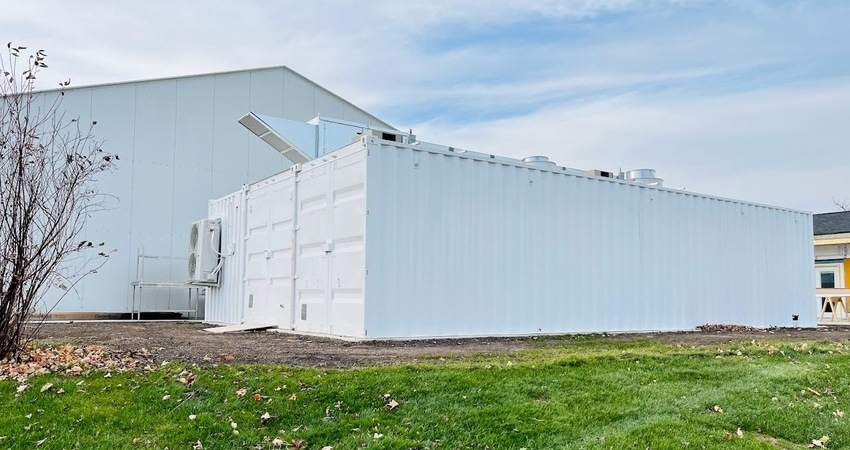
A traditional commercial kitchen construction project typically takes 6 to 18 months from initial planning to opening. The timeline depends on project complexity, permitting requirements, and whether you're renovating an existing space or building from scratch. Site preparation and design take 2-3 months, permitting 1-3 months, construction 3-8 months, and final inspections 2-4 weeks. Modular prefabricated kitchens can reduce this timeline by up to 50%, with some projects completed in as little as 3-4 months.
Commercial kitchen construction requires multiple permits including a building permit, mechanical permit for HVAC and ventilation systems, plumbing permit, electrical permit, and a food service or health permit. Depending on your location, you may also need fire suppression system permits, grease trap permits, and zoning approvals. Permit requirements vary by jurisdiction, so consult with your local building department early in the planning process to ensure compliance and avoid delays.
Common planning mistakes include underestimating project costs and timelines, failing to engage stakeholders early (especially health inspectors and equipment vendors), inadequate contingency budgeting, poor workflow planning that creates bottlenecks, insufficient electrical capacity for equipment loads, and neglecting to plan for future growth and menu changes. Additionally, many operators skip the pre-permit consultation with local health departments, leading to costly redesigns during the approval process.