You've finalized your expansion plans. The board approved the budget. Now comes the question every hospitality executive dreads: how much will this commercial kitchen actually cost?
Here's the uncomfortable truth: according to the Associated General Contractors of America, 92% of construction firms report difficulty finding workers, and labor shortages are now the leading cause of project delays. For hotels, resorts, and private clubs planning new kitchen builds or renovations, these market realities can mean the difference between a successful F&B expansion and a financial headache that lingers for years.
Commercial kitchen construction costs range widely, from $250 to over $500 per square foot depending on location, equipment, and complexity.
This blog breaks down exactly where your money goes, which factors drive costs up (or down), and how to budget realistically for your next kitchen project.
The short answer: expect to invest anywhere from $40,000 to well over $1 million for a complete commercial kitchen build. That range is enormous because every project is different. A small prep kitchen for a boutique hotel requires a vastly different investment than a high-volume production kitchen for a 500-room resort.
In 2026, commercial kitchen construction typically runs $250 to $500 per square foot for a complete buildout. This figure includes structural work, plumbing, electrical, ventilation systems, and finishes but often excludes equipment purchases.
For a 1,000 square foot kitchen (the industry average), that translates to:
Location significantly impacts these figures. Urban markets like New York City, Los Angeles, and Miami can push costs 40–60% higher than suburban or rural areas due to elevated labor rates, stricter permitting requirements, and premium real estate costs.
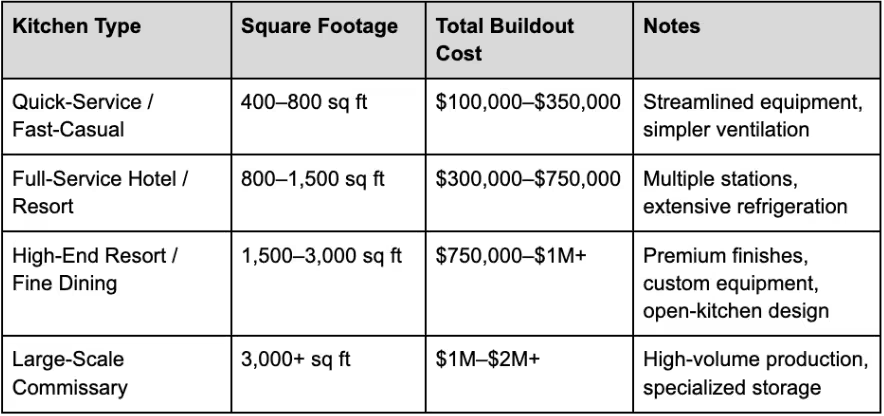
According to LoopNet's commercial kitchen analysis, a typical 3,000 square foot kitchen ranges from $350,000 for basic quality to $650,000+ for high-end buildouts — excluding base building modifications like HVAC, plumbing, and electrical infrastructure.
Construction labor costs vary dramatically across regions. According to the Bureau of Labor Statistics, average hourly earnings in construction reached $39.70 per hour in 2025 but rates in major metropolitan areas run significantly higher. The Home Builders Institute reports the industry needs approximately 723,000 new workers annually through 2026, driving continued wage pressure.
Regional cost variations:
Example: A project in downtown Chicago will cost 30–50% more than the same build in suburban Indiana, primarily due to labor rates and permitting complexity.
While larger kitchens cost more overall, they often deliver better per-square-foot economics:
Layout complexity matters too. Multiple cooking stations, separate prep and plating areas, and sophisticated workflow designs require more utility connections, additional ventilation, and careful coordination among trades.
Kitchen equipment typically represents 40–60% of your total project cost—the single largest budget item. Equipment falls into three tiers:
Entry-level (budget-conscious operations):
Mid-range (most full-service operations):
Premium (high-end / high-volume operations):
Custom fabrication — chef's tables designed to specific workflows, branded service counters, or specialty cooking stations — adds substantial cost but can dramatically improve operational efficiency and guest experience.
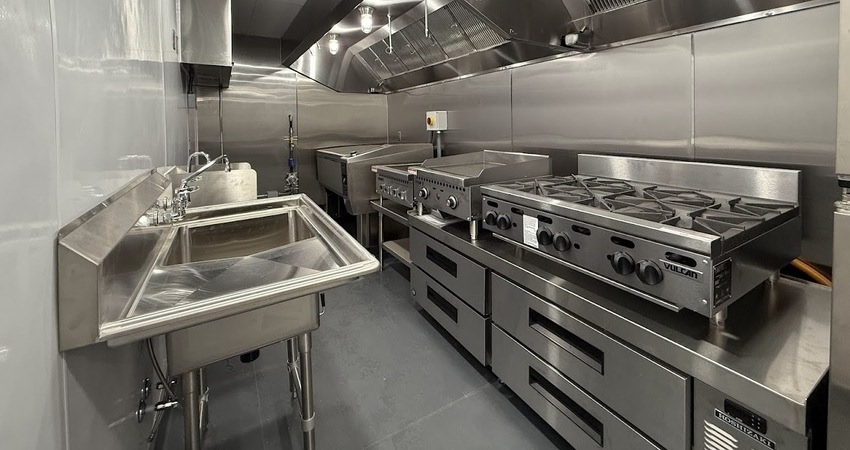
Commercial kitchen ventilation isn't optional, it's mandated by NFPA 96 standards and local health codes.
Key requirements:
The International Code Council publishes standards through the International Building Code (IBC) and International Mechanical Code (IMC) that govern commercial kitchen ventilation and fire suppression requirements. These systems require professional installation and semi-annual inspections.
Permitting costs range from $500 to $15,000+ depending on jurisdiction and project scope. You'll typically need:
Beyond fees, the permitting process itself can extend your timeline by 4–24 weeks depending on jurisdiction. Delays mean extended carrying costs—rent or mortgage payments on non-revenue-generating space while awaiting approvals.
Tip: Engage with your local health department early. Many jurisdictions offer pre-application meetings where inspectors review preliminary plans and flag potential issues before you've invested in detailed engineering drawings.
Professional kitchen design typically costs 10–15% of your equipment budget, or $15,000–$50,000 for larger projects.
While it's tempting to skip this step, poor design choices create expensive operational inefficiencies that compound over the life of your kitchen. Understanding commercial kitchen design principles before you begin can save substantial budget and headaches.
A well-designed kitchen:
Second-generation restaurant spaces can significantly reduce site preparation costs if the existing infrastructure meets your needs. Converting a non-food space requires extensive utility work:
Site preparation can add $50,000–$150,000 to your budget, particularly for properties without existing commercial kitchen infrastructure.
Industry data confirms that most commercial construction projects experience budget overruns often due to:
Impact: Change orders can add 10–20% to your original budget if not carefully managed.
For a project that runs six months longer than planned, carrying costs alone can add $30,000–$100,000+ to your total investment.
Before you serve your first guest, budget for:
Professional project managers recommend allocating 10–20% of your total budget as contingency for unexpected expenses. This isn't pessimism, it's realism based on decades of commercial construction data.
Example: A $500,000 project should reserve $50,000–$100,000 for contingencies.
Projects that exhaust their contingency funds face difficult choices: cut scope, delay opening, or seek additional financing at potentially unfavorable terms.
Step 1: Create a detailed equipment wishlist with everything you'd want in an ideal scenario.
Step 2: Prioritize a "must-have" list of essentials that get you operational on day one.
Step 3: Plan to phase in premium equipment as revenue permits.
Tip: Certified refurbished equipment can reduce costs by 40–60% while still providing reliable performance with limited warranties. Many equipment dealers offer refurbished commercial ranges, refrigeration units, and dishwashers that meet health code requirements.
.avif)
Acquiring a space that previously housed a commercial kitchen can dramatically reduce your buildout costs.
Advantages:
Tradeoffs:
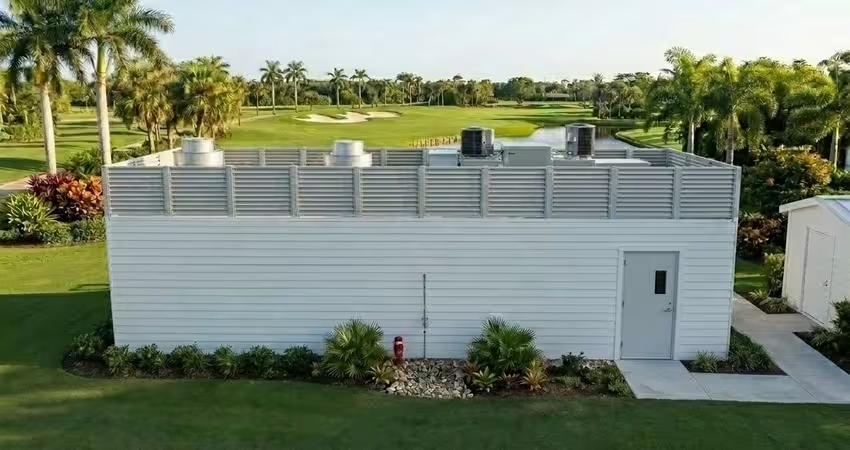
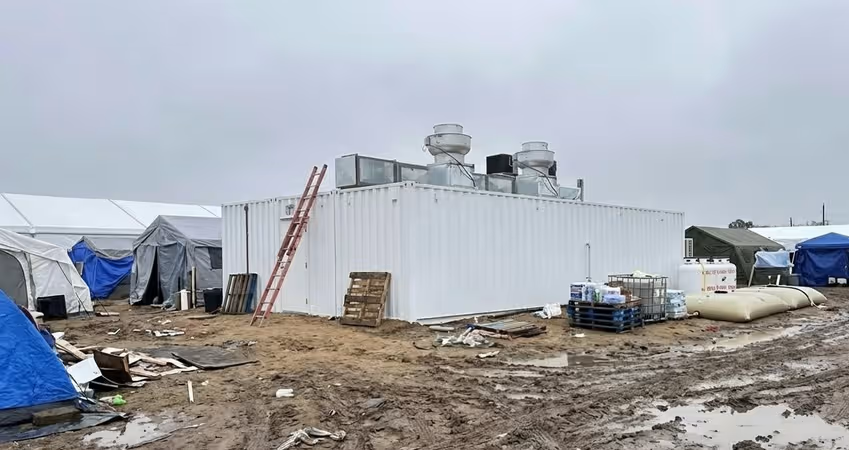
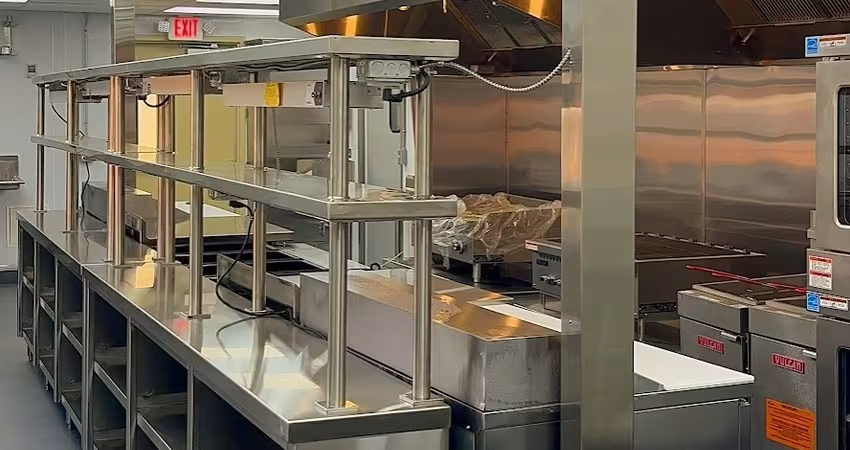
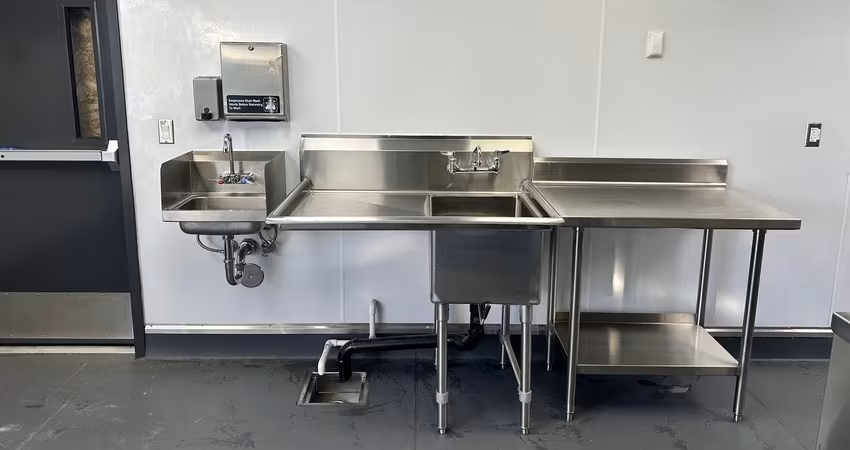
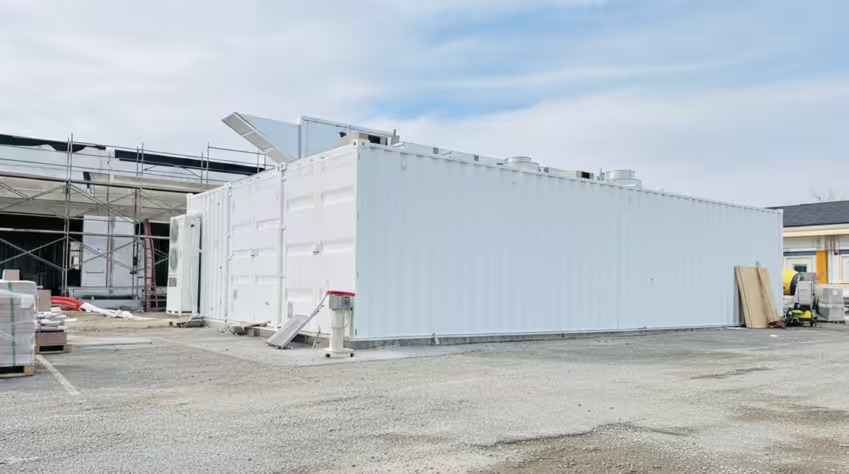
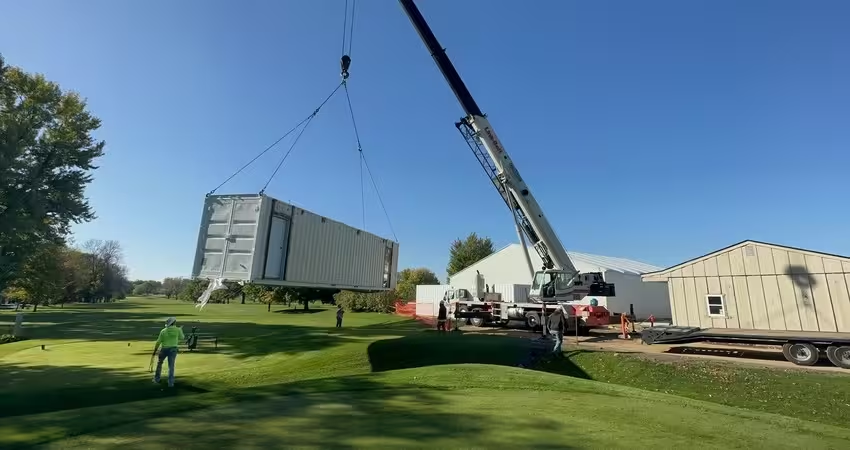
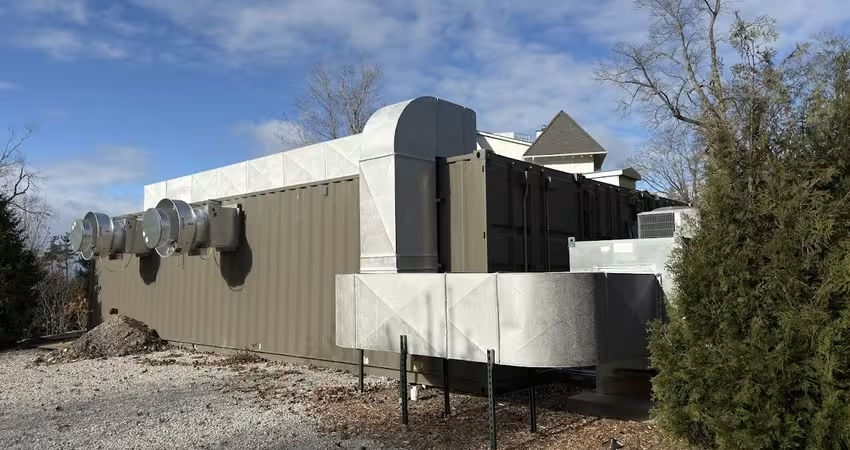
Modular commercial kitchens: factory-built units delivered turnkey and connected to utilities on-site offer an increasingly popular alternative to traditional construction.
Key benefits:
These prefabricated solutions are particularly well-suited for remote locations, seasonal operations, or projects with aggressive timelines. Shipping container kitchens are one example gaining traction across the hospitality industry.
For hospitality operators comparing prefabricated vs. traditional kitchens, the decision often comes down to speed-to-market, budget certainty, and long-term flexibility — advantages that traditional construction simply can't match.
Commercial kitchen construction costs depend on dozens of variables, but informed planning and realistic budgeting can help you avoid the budget overruns that plague so many projects. The keys to success:
Whether you pursue traditional construction, acquire a second-generation space, or explore modular alternatives, the key is matching your investment to your operational requirements and not building more kitchen than you need, but ensuring you have the capacity to execute your F&B vision.
Planning a commercial kitchen project for your hotel, resort, or club? Modular prefabricated kitchens can reduce your timeline by up to 50% and cut costs by 20% compared to traditional construction. Explore ContekPro's hotel kitchen solutions or request a quote to discuss your project requirements.
Commercial kitchen construction typically costs $250–$500 per square foot for a full buildout in 2026. This range varies significantly based on location, equipment grade, and kitchen complexity. Urban markets like New York or Los Angeles can push costs 40–60% higher than suburban areas. These figures include construction, ventilation systems, plumbing, and electrical but often exclude equipment purchases, which can add another $40,000–$200,000.
Kitchen equipment typically represents 40–60% of total project costs. Commercial-grade cooking equipment, refrigeration systems, ventilation hoods, and fire suppression systems make up the bulk of this expense. A single commercial range with integrated oven can cost $5,000–$15,000, while walk-in coolers range from $4,000–$30,000 depending on size and configuration.
Traditional commercial kitchen construction takes 9–18 months from design to completion. This timeline includes 2–6 months for design and permitting, 4–12 months for construction, and 2–4 weeks for equipment installation and final inspections. Delays are common and according to industry data, the majority of commercial construction projects experience some form of schedule overrun due to labor shortages and supply chain challenges.