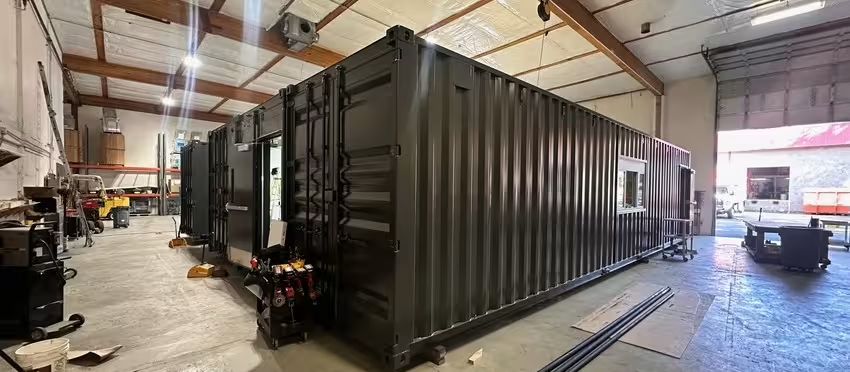
When a luxury resort in Florida chose the lowest-bidding general contractor to build their new poolside kitchen, the budget looked promising. Six months and $180,000 in change orders later, they were still waiting for final health department approval. The "affordable" project had become their most expensive mistake.
This scenario plays out across the hospitality industry more often than anyone admits. Research shows that 85% of construction projects over a 70-year period experienced cost overruns, with an average overrun of 28%. For hotel executives and F&B directors under pressure to expand dining operations, choosing the cheapest option often leads to the costliest outcome.
This article examines where commercial kitchen construction costs spiral out of control and how to protect your investment from the start.
The construction industry has a well-documented cost overrun problem. According to a Procore and IDC survey, 75% of project owners exceeded their planned budgets, with projects averaging six budget changes and a 15% cost increase tied directly to those revisions.
Commercial kitchens face even steeper risks. A Restaurant Owner survey found that kitchen renovation budgets exceed estimates by approximately 34% on average — a gap that can dramatically impact opening timelines, cash flow, and revenue projections.
What sets commercial kitchens apart is their complexity. Specialized mechanical, electrical, and plumbing (MEP) systems, strict health department requirements, and mandatory fire suppression and ventilation standards introduce layers of technical risk that don’t exist in standard commercial builds. When these systems are underestimated or poorly coordinated, cost overruns are almost inevitable.
The lowest bid rarely reflects the true cost of completion. Initial quotes often exclude or underestimate critical infrastructure, code compliance requirements, and contingency reserves. When these items surface mid-project, they arrive as costly surprises that derail both budgets and timelines.
The sections below break down exactly where these hidden costs emerge.
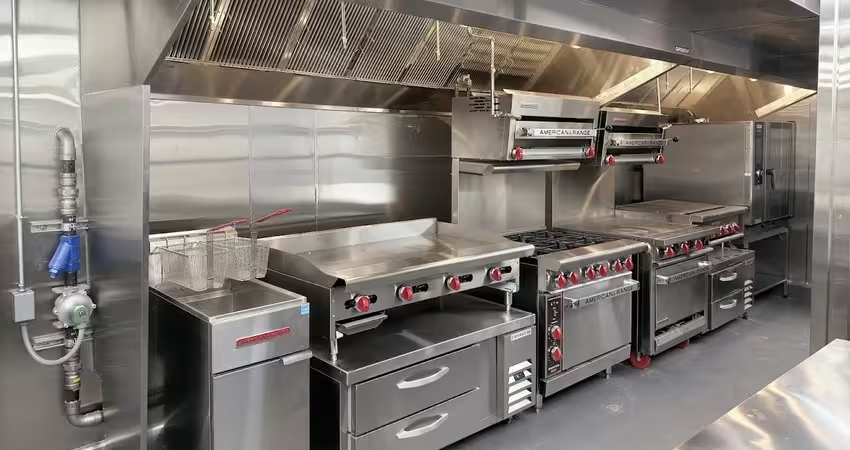
Budget-focused decision-making creates specific failure points. Understanding these patterns helps operators identify red flags before signing contracts.
Commercial kitchens demand significantly more infrastructure than typical retail or office spaces. Many contractors unfamiliar with foodservice operations underestimate the electrical load, gas capacity, and plumbing requirements for commercial cooking equipment.
Common MEP-related budget busters include:
Tip: Request detailed MEP scopes from contractors before comparing bids. A significantly lower quote often signals these critical systems have been underscoped or excluded entirely.
Health department approvals, fire marshal inspections, and building permits create a regulatory gauntlet that inexperienced contractors frequently underestimate. Each failed inspection means rework costs and extended timelines.
According to the National Restaurant Association, total restaurant input costs have increased 30% since before the pandemic, with labor and regulatory compliance being major contributors. When permits stall, operators continue paying rent or mortgage on an unusable space—bleeding cash while generating zero revenue.
Note: For a complete breakdown of commercial kitchen permit requirements, see our shipping container kitchen permit guide.
Commercial kitchens require specialized tradespeople: HVAC technicians, licensed plumbers, certified electricians, and fire suppression installers. Low-bid contractors often struggle to secure qualified subcontractors, leading to scheduling conflicts, quality issues, and delays.
The construction industry continues to face persistent labor challenges. Approximately 70% of contractors report difficulty finding reliable, skilled workers — a shortage that directly impacts project timelines and quality.
Note: Projects that seem to stall mysteriously are often waiting for specialized labor that was never properly scheduled or budgeted.
Construction material costs have experienced significant volatility in recent years. When projects drag on, material prices can shift dramatically between the original estimate and actual procurement.
Change orders compound this problem. Each modification, whether triggered by design changes, site conditions, or code requirements, adds cost and time. Large projects can see 25% or more of their scope grow beyond original plans, with each change requiring renegotiation, re-permitting, and rework.
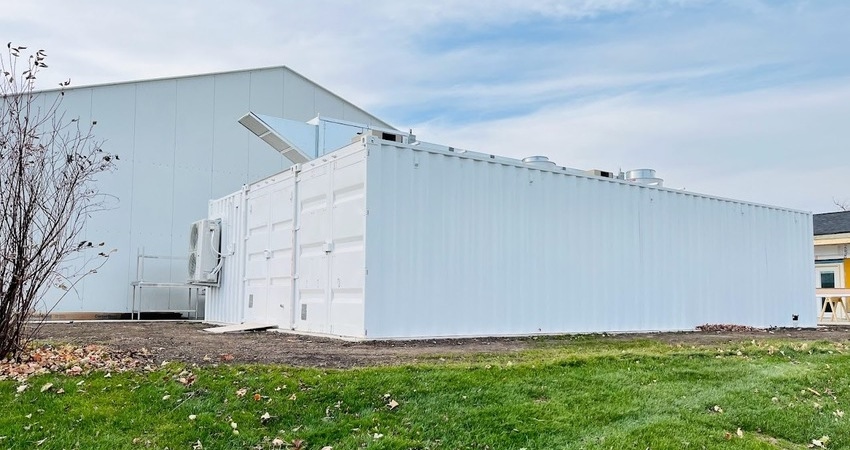
Beyond the direct financial impact, cheap construction creates operational consequences that compound over time.
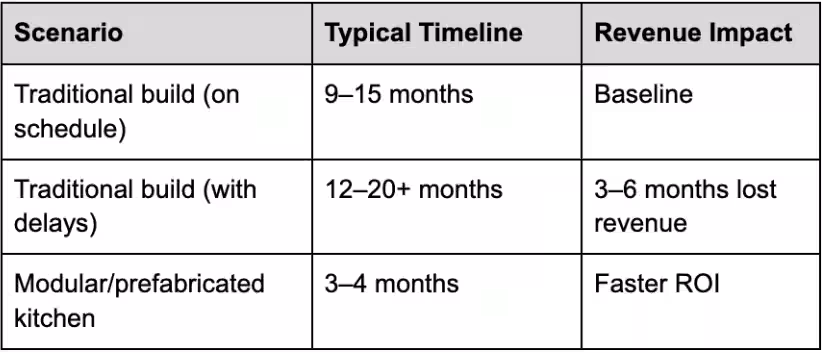
Every month of delayed opening represents lost revenue. For a hotel F&B operation generating $50,000–$150,000 monthly, a three-month delay translates to $150,000–$450,000 in foregone income — often exceeding the initial "savings" from choosing a budget contractor.
Consider the full timeline impact:
For more on accelerated deployment options, explore our hotel kitchen solutions.
Substandard work creates ongoing maintenance burdens. Improperly installed ventilation systems fail inspections. Inadequate electrical capacity trips breakers during peak service. Poorly designed layouts create workflow bottlenecks that reduce kitchen productivity by up to 30%.
These issues don't disappear after opening. They become daily operational headaches that consume management attention and maintenance budgets indefinitely.
According to the U.S. Bureau of Labor Statistics, full-service restaurants experienced 93,800 nonfatal injuries in 2019, with cuts and burns being the most common. Poor kitchen design including inadequate ventilation, cramped layouts, and substandard surfaces directly contributes to workplace injuries.
Well-designed commercial kitchens following established design principles reduce accident rates while improving staff productivity and morale.
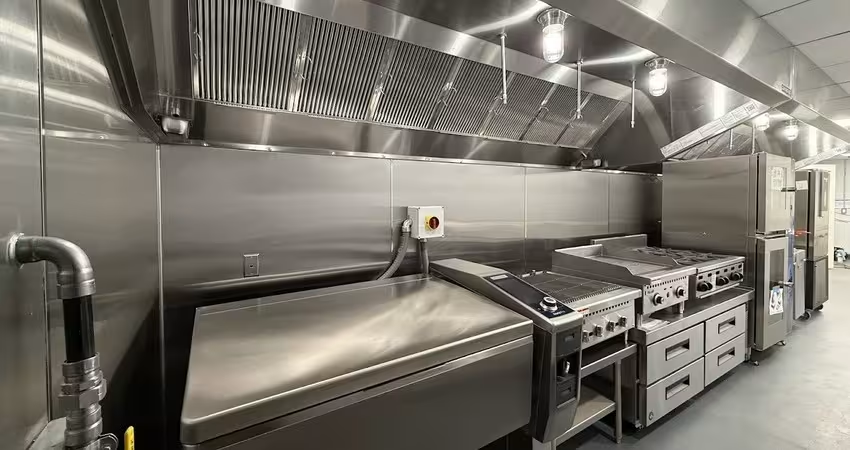
Smart operators approach commercial kitchen construction as a long-term investment, not a short-term expense to minimize.
The lowest quote is rarely the best value. Instead of focusing on upfront price alone, operators should evaluate partners based on their ability to deliver a fully compliant, operational kitchen without costly surprises.
Key evaluation criteria include:
Tip: Ask potential contractors about their experience with health department inspections and NFPA 96 compliance. Hesitation or vague answers are red flags.
Even well-planned projects encounter unknowns. Industry best practices recommend reserving 10–20% of the total construction budget as contingency funding to absorb unforeseen costs without disrupting schedules or compromising quality.
Contingency reserves help protect against:
Without this buffer, small surprises quickly force difficult trade-offs between quality, timelines, and budget control.
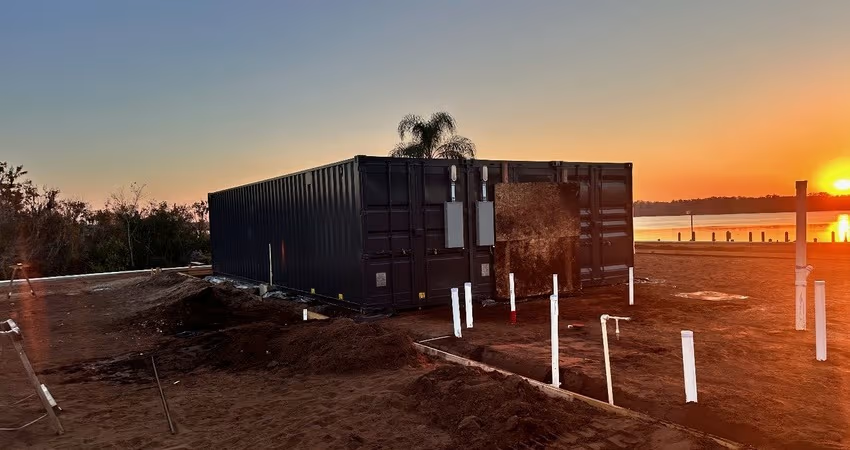
Modular and prefabricated kitchens offer a fundamentally different approach to managing commercial kitchen construction risk. By shifting the majority of construction into a controlled factory environment, modular construction removes many of the variables that cause traditional projects to run over budget and behind schedule.
Instead of coordinating multiple trades onsite, modular kitchens are built as integrated systems — designed, fabricated, and tested before delivery.
Key advantages of modular kitchen construction include:
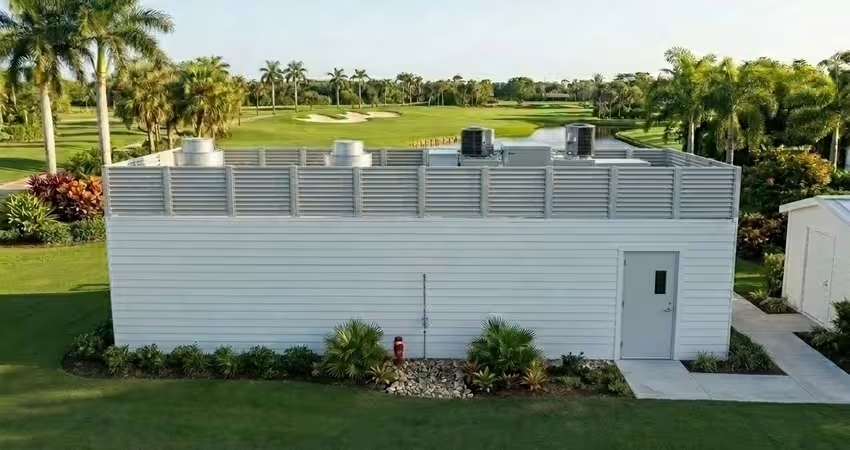
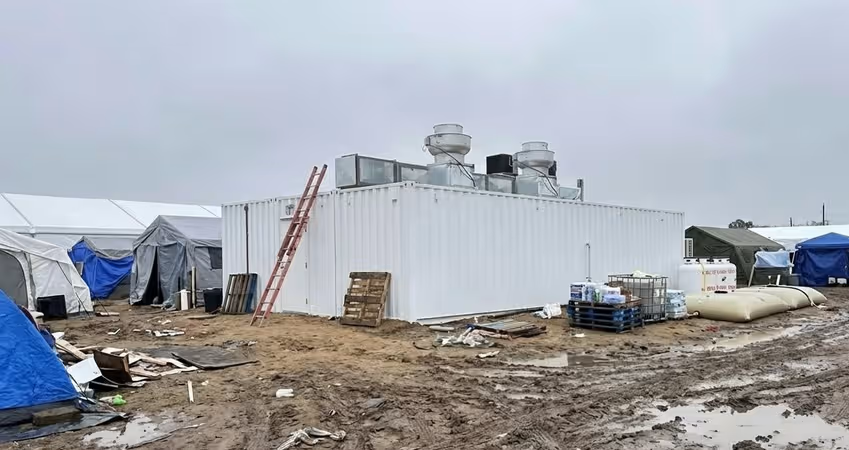
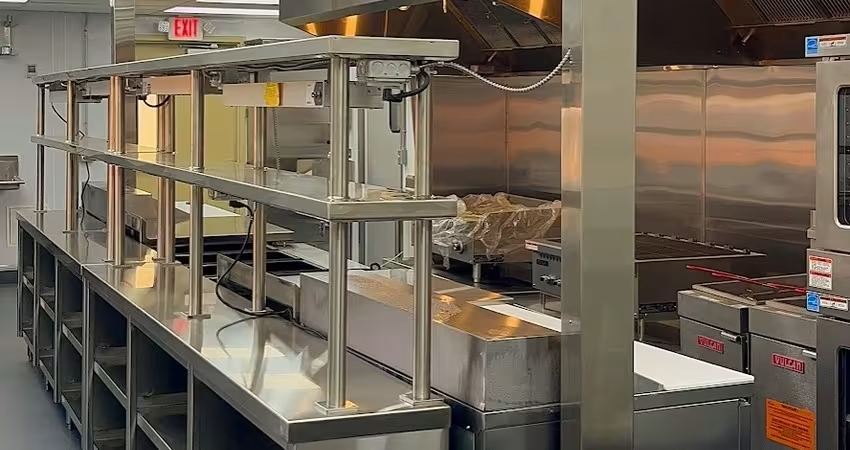
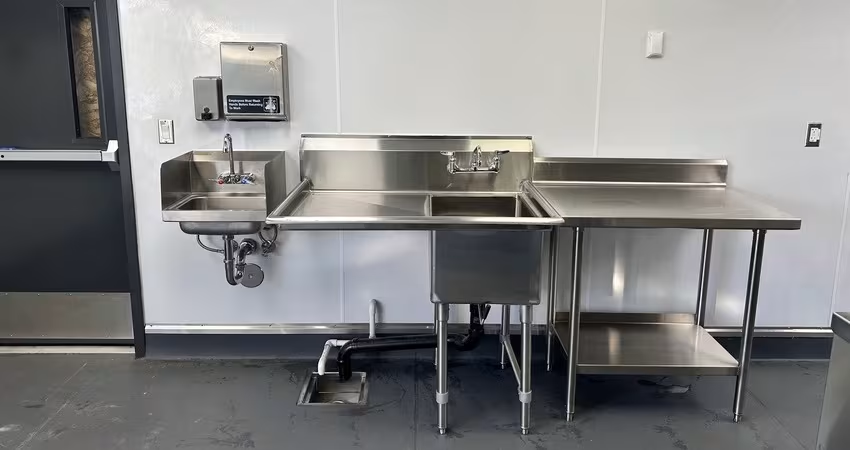
At ContekPro, our prefabricated modular kitchens arrive 95% complete with ventilation, fire suppression, and commercial equipment pre-installed and pre-inspected. This turnkey approach eliminates the contractor coordination headaches and inspection failures that plague traditional builds.
For operators comparing options, our shipping container kitchen cost guide provides detailed breakdowns of modular kitchen pricing and ROI considerations.
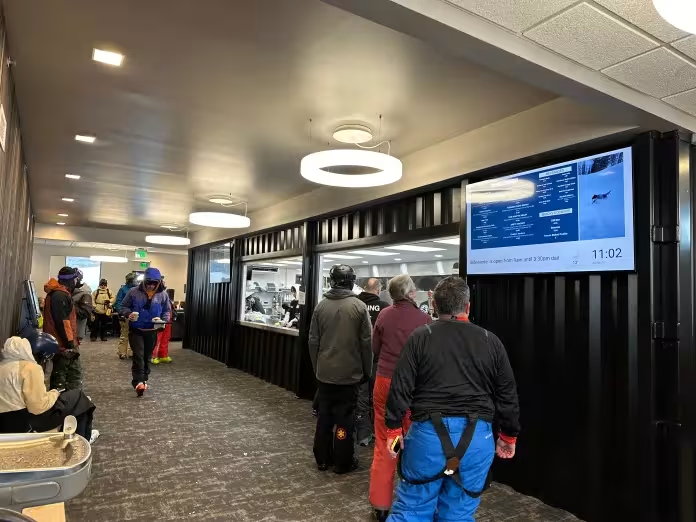
Cheap commercial kitchen construction is rarely cheap. The hospitality operators who fare best approach kitchen projects as strategic investments rather than costs to minimize. They evaluate total cost of ownership, build in appropriate contingencies, and partner with contractors — or modular providers — who understand the unique demands of commercial foodservice environments.
The question isn't whether you can afford to build your kitchen right. It's whether you can afford not to.
Ready to eliminate budget uncertainty from your next kitchen project?
ContekPro's modular kitchens are delivered turnkey with fixed pricing and predictable timelines. Our prefabricated solutions range from 160 to 6,400 square feet and arrive with commercial-grade equipment, ventilation, and fire suppression systems pre-installed.
Explore our hotel kitchen solutions | Request a consultation
Commercial kitchen projects often exceed budgets due to underestimated MEP requirements, permitting delays, labor shortages, and change orders triggered by code compliance issues. Kitchens require specialized infrastructure and inspections that are frequently under-scoped in low bids, leading to costly revisions mid-project.
Commercial kitchen builds face unique delays including health department approvals, fire suppression inspections, utility infrastructure upgrades, and coordinating multiple specialized trades. Labor shortages compound these issues — approximately 70% of construction contractors report difficulty finding skilled workers, directly impacting project timelines.
Modular or prefabricated kitchens are manufactured in controlled factory environments, eliminating many on-site variables that cause overruns. They offer fixed pricing, faster deployment (often 50% faster than traditional builds), and arrive with pre-installed MEP systems and code-compliant equipment — reducing change orders and inspection failures.