A single flooring failure in a commercial kitchen can shut down service for days, trigger a failed health inspection, or send a staff member to the hospital with a slip-and-fall injury. Yet flooring is often one of the last decisions made during a kitchen build or renovation — squeezed between equipment procurement and the opening date. For hospitality operators planning a new kitchen or replacing an old one, the choice of commercial kitchen flooring directly affects construction downtime, maintenance costs, and day-one regulatory compliance.
This guide breaks down the leading commercial kitchen flooring options, compares their real-world performance, and explains what hotel and resort operators should prioritize when specifying floors for their next kitchen project.
Flooring isn't just a finish — it's infrastructure. The wrong material choice cascades into problems that affect every department: failed health inspections, worker's compensation claims, premature replacement costs, and operational shutdowns during re-installation.
According to the Bureau of Labor Statistics, slips, trips, and falls remain among the leading causes of nonfatal workplace injuries in the food service sector. The National Floor Safety Institute reports that floor-related injuries are among the most common causes of workers' compensation claims in food service — and commercial kitchen flooring that can't maintain traction under grease, water, and cleaning chemicals is a primary contributor.
For hospitality operators, the stakes are higher. A kitchen renovation at a resort or hotel must minimize guest disruption, and flooring installation is often the single longest-duration trade on the schedule. Choosing the right material — and understanding its cure time — can mean the difference between a two-day closure and a two-week one.
Tip: Involve your flooring specification early in the commercial kitchen design process. Flooring affects drainage slope requirements, equipment anchoring, and utility rough-in — all decisions made before equipment arrives.
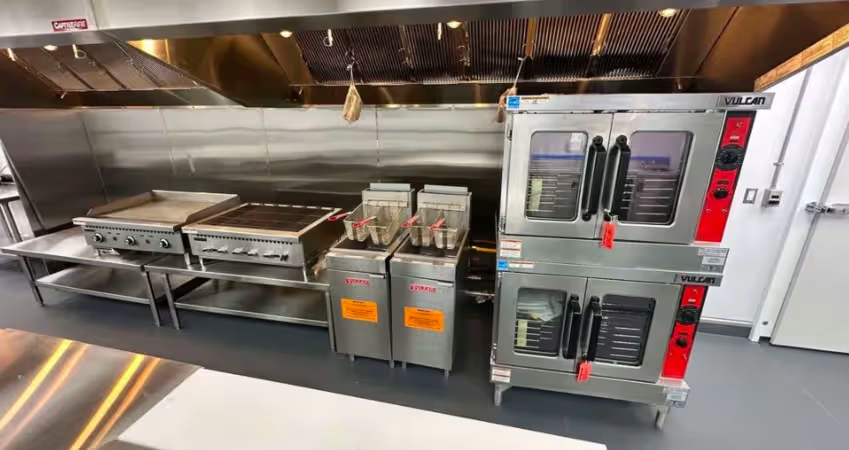
Before comparing materials, it helps to understand what health inspectors, building codes, and operational reality demand from a commercial kitchen floor.
OSHA's walking-working surfaces guidelines recommend a static coefficient of friction (COF) of 0.5 as a baseline for safe walking surfaces. The ANSI A326.3 standard sets a minimum wet Dynamic Coefficient of Friction (DCOF) of 0.42 for hard surface flooring — though commercial kitchens with heavy grease exposure should target 0.50 or higher.
Note: No flooring is "non-slip." Slip resistance is a spectrum that degrades with wear, grease buildup, and improper cleaning. Ongoing maintenance matters as much as material selection.
The FDA Food Code requires that floors in food preparation areas be smooth, durable, non-absorbent, and easily cleanable. Seamless flooring systems score highest on hygiene because they eliminate grout lines and seams where bacteria, grease, and moisture accumulate. Health inspectors focus on exactly these failure points during inspections — an important consideration when preparing for your health permit.
Commercial kitchens subject floors to extreme temperature swings — boiling water spills near a 350°F fryer, followed by cold washdowns. Floors that can't handle thermal shock crack, delaminate, or debond from the substrate. This is especially critical near cooking lines, dish pits, and walk-in cooler thresholds.
Rolling carts, dropped pans, heavy ovens, and constant foot traffic punish kitchen floors daily. Materials must resist chipping, cracking, and surface wear without requiring frequent repair.

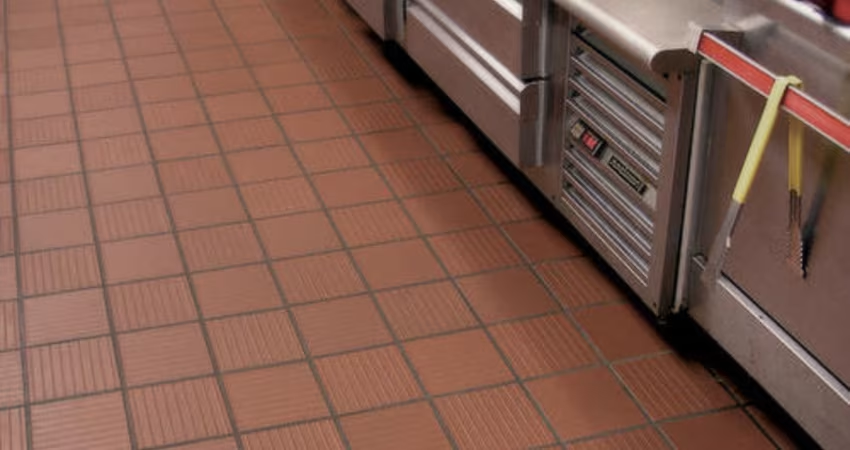
The classic reddish-orange tile found in thousands of commercial kitchens. Made from natural clay fired at high temperatures, quarry tile is dense, durable, and inherently slip-resistant when textured.
Note: Quarry tile performs well for decades — but grout lines are its Achilles' heel. Many operators end up regrouting annually, which increases long-term cost and downtime.
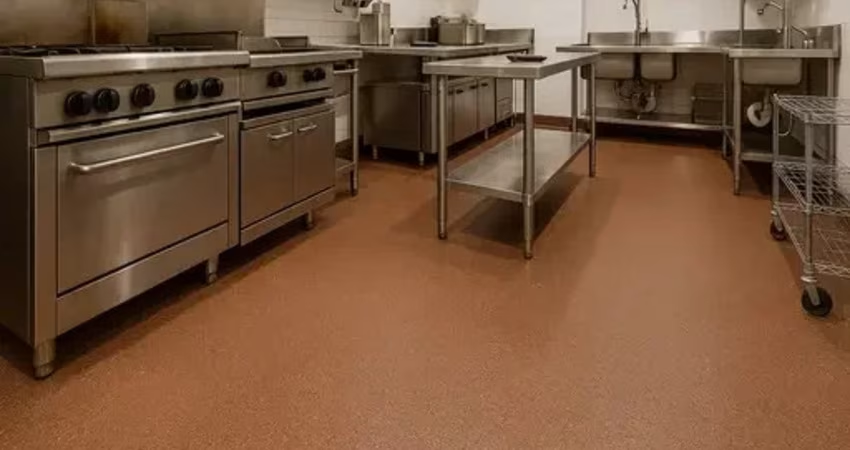
A resin-based system poured and cured directly on concrete, creating a seamless, chemical-resistant surface. Anti-slip aggregates can be broadcast into the coating for improved traction.
Tip: Look for an abrasion rating of 8 mg or lower for commercial kitchen use. The lower the rating, the longer the coating will last under heavy traffic.
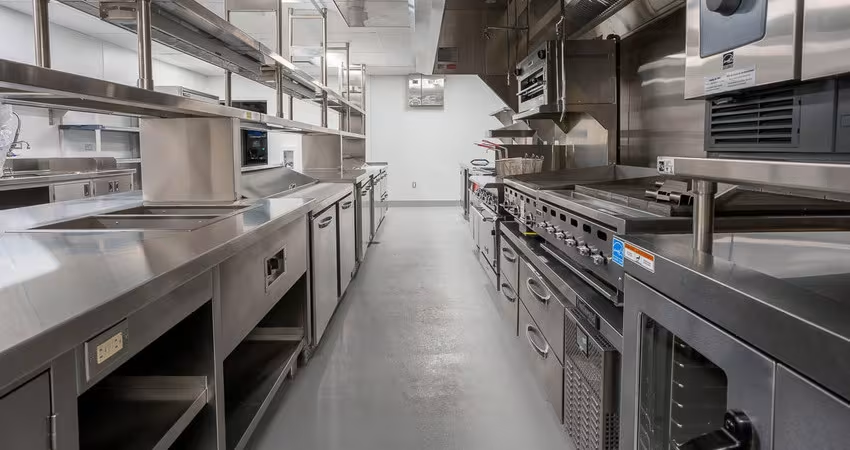
Widely considered the gold standard for high-demand commercial kitchen environments. This system bonds directly to concrete and offers superior thermal shock resistance, chemical resistance, and long-term durability.
This is the system most recommended for kitchens with fryers, steam kettles, and commercial dishwashers where floors face constant thermal extremes and chemical exposure.
Affordable, comfortable underfoot, and available in a wide range of designs. Sheet vinyl minimizes seams, while LVT offers modular replacement.
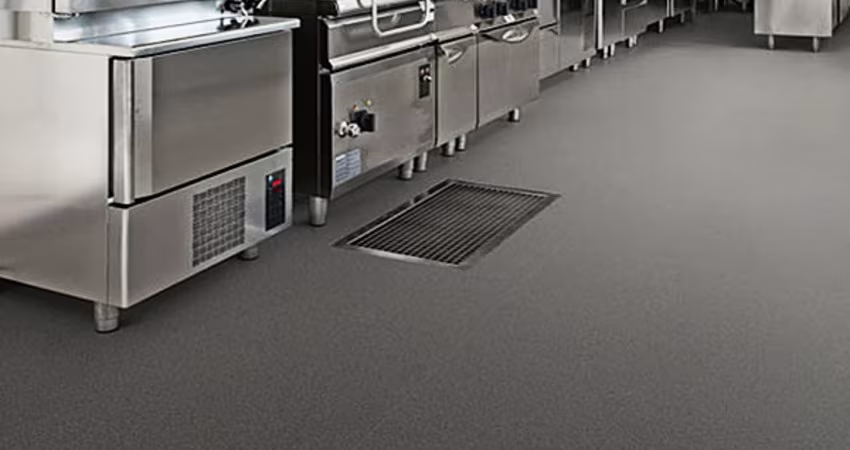
Concrete is already the substrate in most commercial kitchens. When properly sealed with epoxy or polyurethane, it becomes stain-resistant and low-maintenance.
.avif)
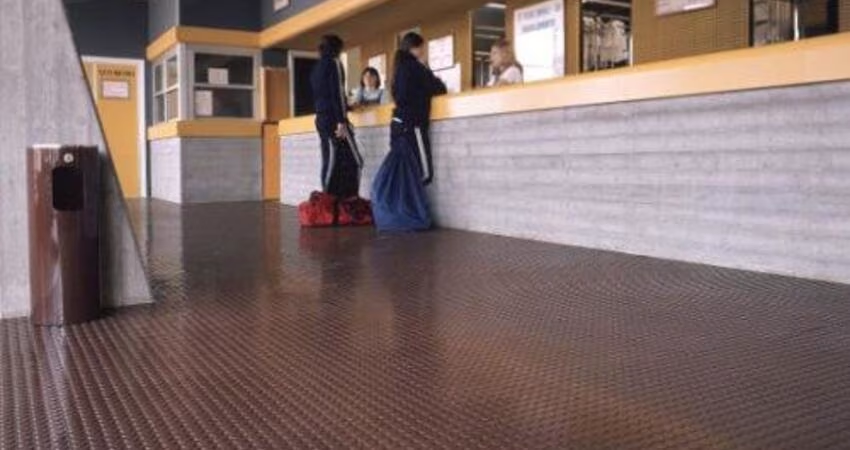
Soft, elastic, and high-friction — rubber flooring reduces fatigue and provides excellent traction.
Note: Substrate preparation — grinding, patching, degreasing — can add $2–$5 per square foot and is often the longest part of the project. Factor this into your timeline and budget.
Regardless of material, proper maintenance protects your investment:
Tip: Your cleaning chemical matters. Harsh acids or bleach-based cleaners can degrade certain flooring systems over time. Always follow the flooring manufacturer's chemical compatibility guidelines. Maintaining your floor correctly also supports ongoing kitchen safety and compliance standards.
One way to sidestep the complexity of on-site flooring installation entirely is to specify a prefabricated modular kitchen. In this approach, flooring is installed in a factory-controlled environment before the unit ships — eliminating cure time delays, substrate preparation variables, and on-site coordination between flooring contractors and other trades.
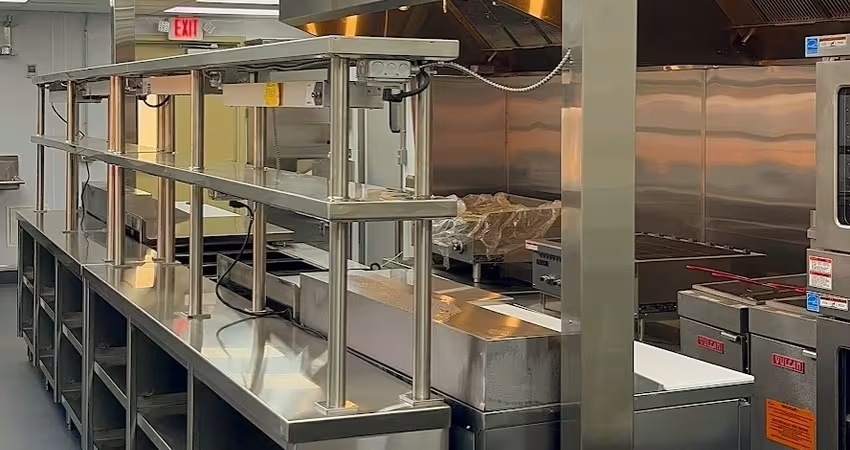
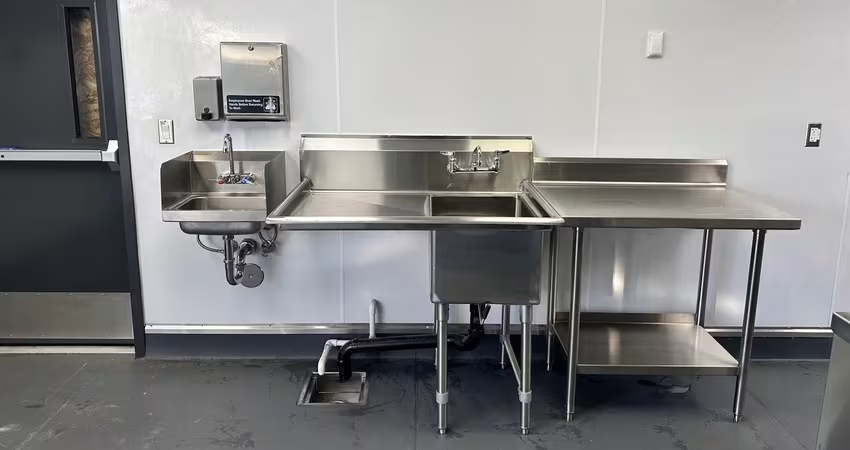
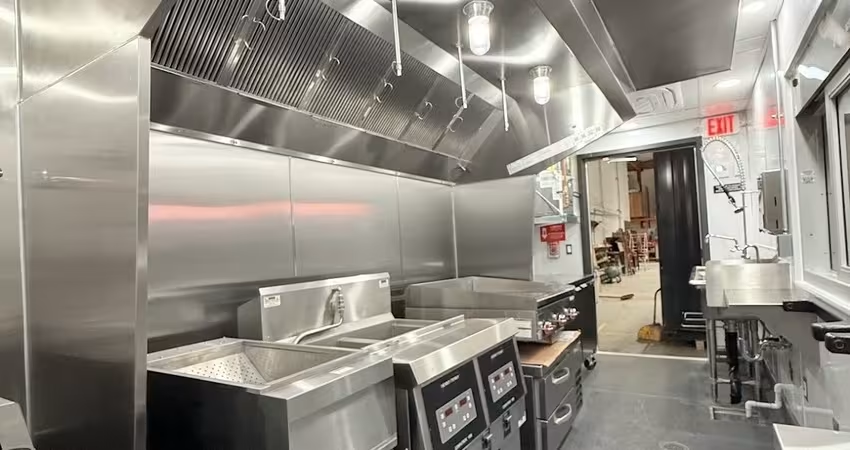
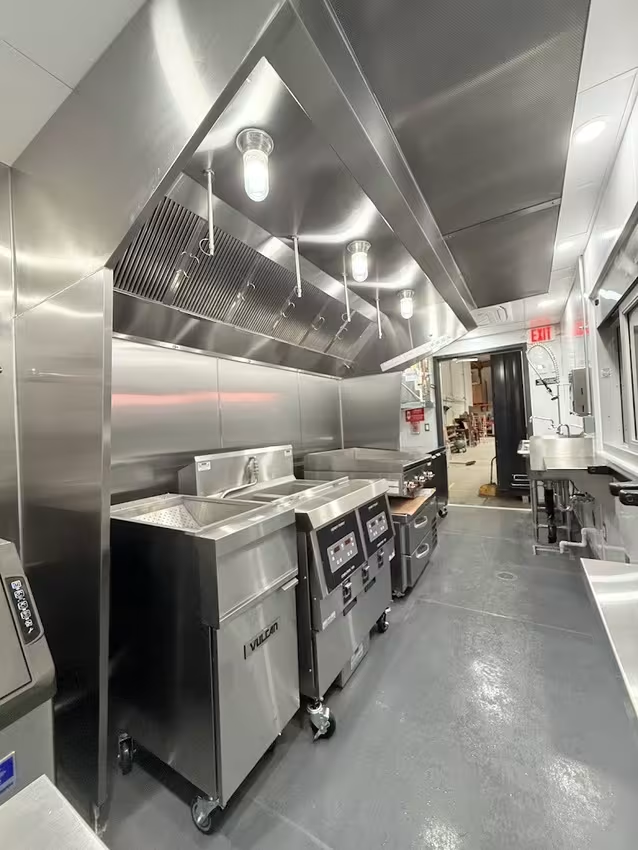
ContekPro's prefabricated modular kitchens, for example, arrive with commercial-grade flooring, equipment, and code-compliant systems already installed and inspected. This means the flooring is already cured, tested, and ready for service the moment the kitchen is connected to utilities — saving weeks of construction schedule compared to on-site flooring installation. For hospitality operators managing kitchen construction downtime, this is a significant operational advantage.

When you're planning a new commercial kitchen — or replacing one that's overdue — commercial kitchen flooring is just one piece of the puzzle. ContekPro's prefabricated modular kitchens arrive with commercial-grade flooring, equipment, and code-compliant systems pre-installed, ready to connect and operate.
Explore our hotel kitchen solutions to see how modular construction eliminates the complexity of coordinating flooring, equipment, and contractors on-site.
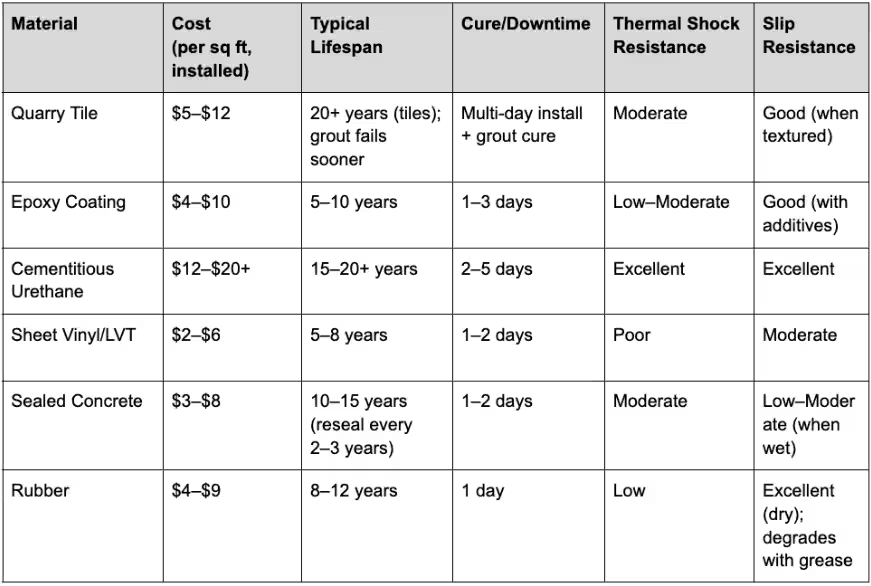
It depends on service volume, budget, and thermal exposure. For high-volume hotel or resort kitchens with fryers and steam equipment, cementitious urethane offers the strongest combination of slip resistance, thermal shock tolerance, and seamless hygiene. Quarry tile remains a solid option for kitchens with moderate grease exposure — WebstaurantStore's flooring guide provides a useful overview of material-specific cleaning and maintenance protocols. Any choice should meet ANSI A326.3 standards with a minimum wet DCOF of 0.42.
Floors must meet slip resistance thresholds (OSHA recommends a COF of 0.5), comply with FDA Food Code requirements for smooth, non-absorbent surfaces, and withstand thermal shock. Local health departments inspect for surfaces that prevent bacterial growth and allow thorough cleaning. ADA accessibility standards also apply to all commercial kitchens. Review our commercial kitchen equipment guide for related compliance considerations.
Quarry tile runs approximately $5–$12 per square foot installed. Epoxy ranges from $4–$10. Cementitious urethane — the highest-performing option — typically costs $12–$20+ per square foot. Sheet vinyl is the most affordable at $2–$6 but has a shorter lifespan. Always factor in substrate preparation, which can add $2–$5 per square foot.