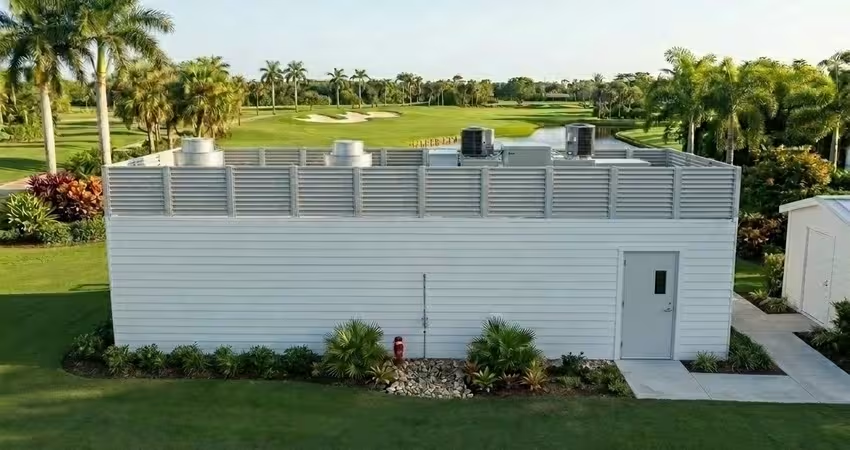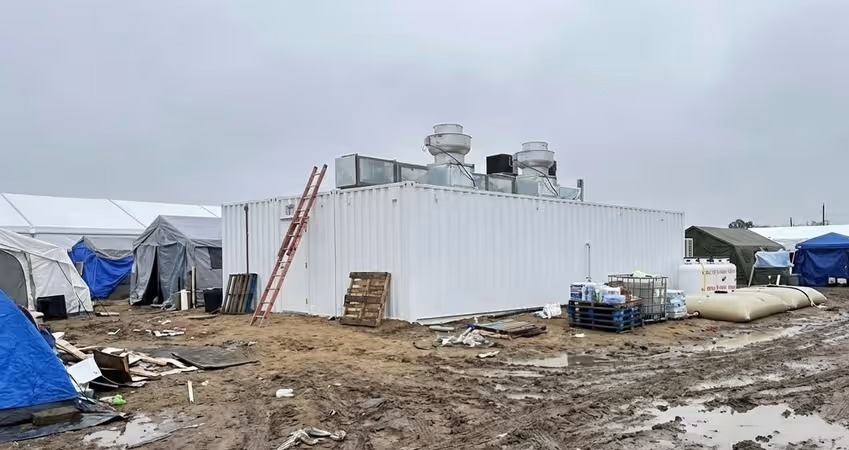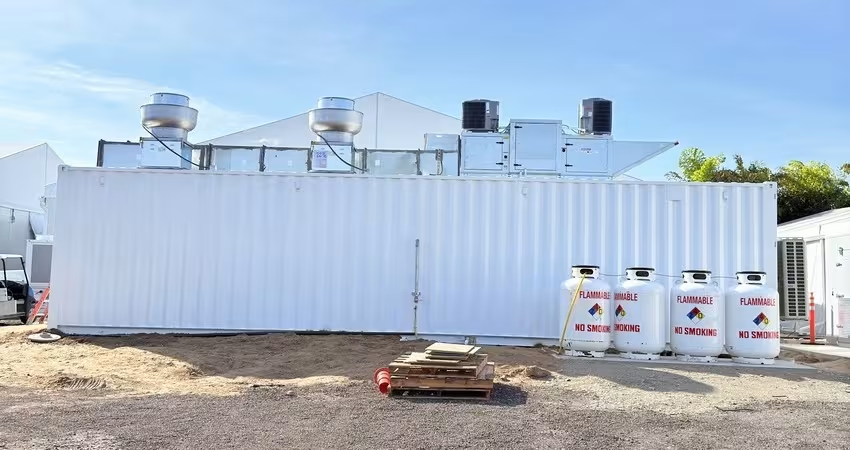
When a Category 4 hurricane shuts down a coastal resort, the kitchen is often among the last facilities to come back online. Water-damaged walk-in coolers, destroyed ventilation systems, and flooded electrical panels can sideline food service for months — costing hospitality businesses thousands of dollars per day in lost revenue and guest dissatisfaction.
Traditional kitchen reconstruction compounds the problem: contractor shortages, supply chain disruptions, and permitting backlogs push recovery timelines well past the next peak season. Shipping container kitchens offer hospitality operators a fundamentally different path.
This article examines how these prefabricated, hurricane-rated modular kitchens help hotels, resorts, country clubs, and food service providers restore operations in weeks — and why they belong in every storm-prone property's preparedness plan.
According to NOAA's Office for Coastal Management, hurricanes have caused over $1.5 trillion in damages in the United States since 1980. In 2024 alone, Hurricanes Helene and Milton inflicted a combined $113 billion in damages, per NOAA's billion-dollar disaster analysis.
The hospitality-specific impact is severe. Research from STR published in Lodging Magazine found that:
These figures address rooms revenue only. When a hotel, resort, or club kitchen goes offline, the ripple effects hit F&B revenue, banquet bookings, event contracts, and guest satisfaction simultaneously.
Note: From 2003 to 2007, a string of powerful Gulf and Atlantic coast storms led to nearly 1,000 independent hotels closing permanently, according to STR data.
Rebuilding a brick-and-mortar commercial kitchen after a commercial kitchen hurricane event takes 12–18 months under normal conditions. After a storm, those timelines stretch further due to contractor shortages, supply chain disruptions, permitting backlogs, and insurance claim delays. According to FEMA's 2024 hurricane recovery update, the agency distributed over $14.3 billion in recovery funds — but the claims process stretches months or years.
Shipping container kitchens are built from Corten steel, the same corrosion-resistant alloy used in ocean freight containers. This gives them inherent advantages in hurricane zones:
Tip: For a detailed technical breakdown of wind speed ratings and anchoring specs, see ContekPro's companion guide: Shipping Container Kitchen Hurricane Rating.
A hurricane proof kitchen deployment must meet rigorous building codes. Purpose-built modular kitchens are engineered with:
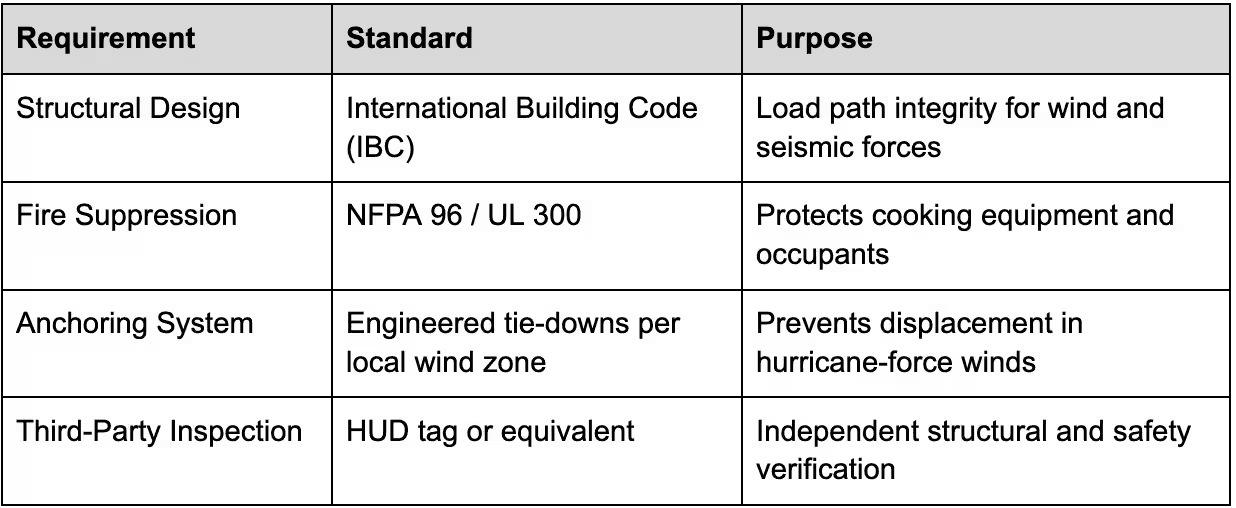
Note: ContekPro's modular kitchens are built to IBC standards and third-party inspected — meeting or exceeding structural requirements for hurricane-zone deployment.
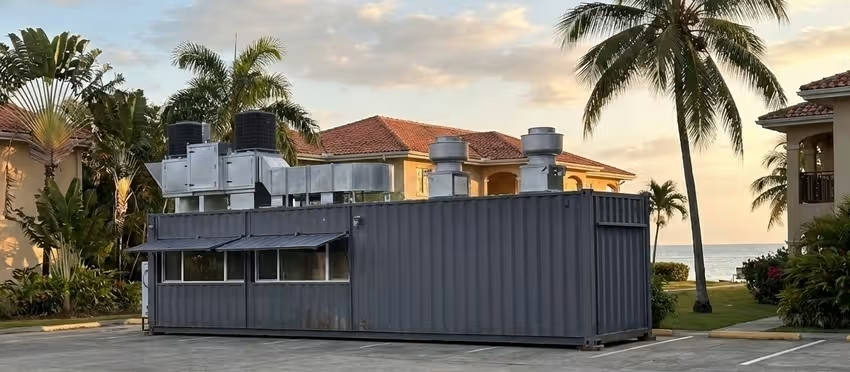
The most significant advantage of a shipping container kitchen hurricane recovery solution is speed. A prefabricated modular kitchen can be manufactured, delivered, and operational in 4–8 weeks — while the property manages debris removal and insurance claims simultaneously. For a resort or country club, restoring food service in six weeks rather than six months recaptures hundreds of thousands in F&B revenue.
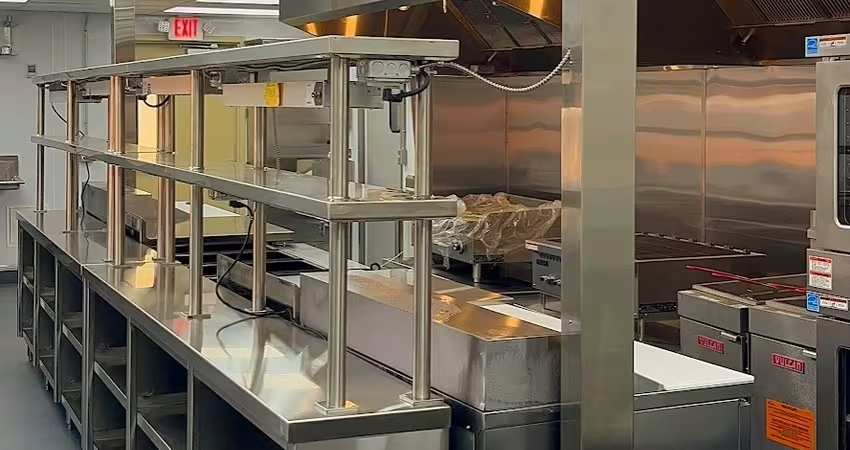
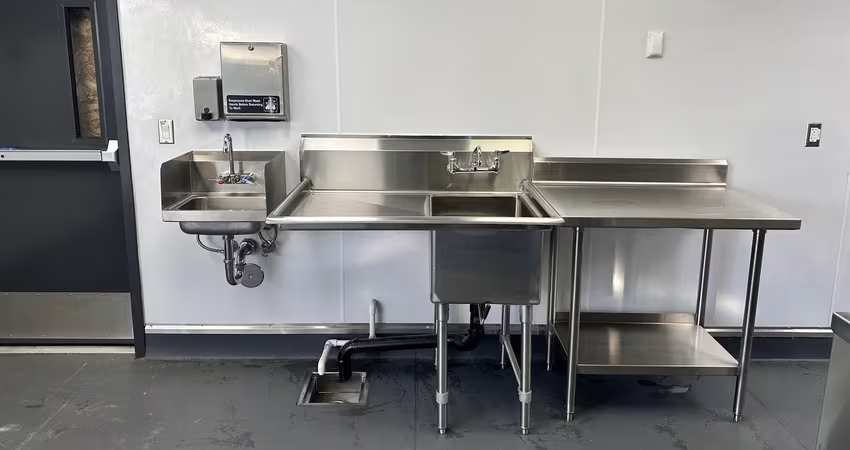
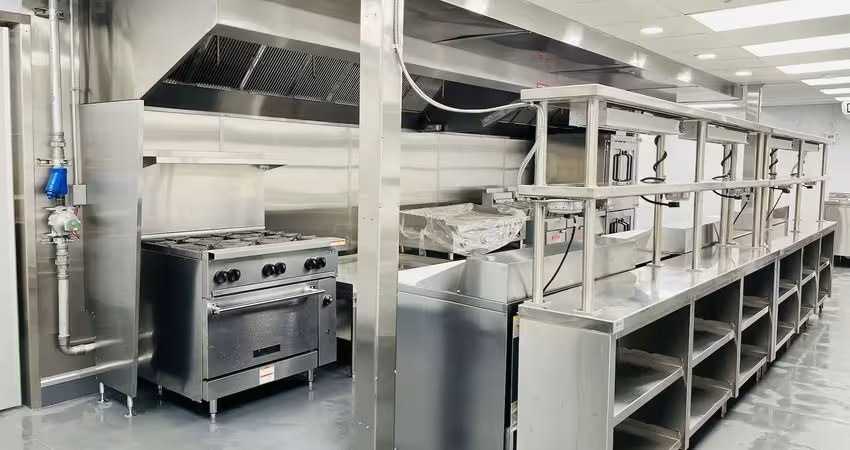
A shipping container kitchen arrives on-site 95% finished:
This eliminates coordinating dozens of subcontractors on a storm-damaged site — critical when skilled tradespeople are in short supply across the entire region.
Container kitchens require only a level pad, utility stub-outs, and crane access. Placement is typically completed in a single day. This makes modular kitchen disaster recovery feasible even when surrounding infrastructure remains compromised.
.avif)
A container kitchen bridges the gap while your permanent kitchen undergoes reconstruction — minimizing construction downtime and preserving revenue throughout the repair period.
Tip: ContekPro's kitchens are relocatable. Once your permanent kitchen is restored, the container unit can be repurposed for event catering, seasonal overflow, or redeployed to another property.
For properties facing catastrophic damage, a permanent shipping container kitchen offers up to 20% cost savings, favorable 7-year depreciation, high resale value, and built-in hurricane resilience. For Caribbean hotels and resorts with recurring storm exposure, this breaks the rebuild-damage-rebuild cycle.
As Hotel Dive reported, hospitality properties frequently serve as emergency shelters during hurricanes. A functional kitchen enables hotels and resorts to serve displaced residents, FEMA personnel, and utility crews — generating goodwill and emergency-rate revenue.
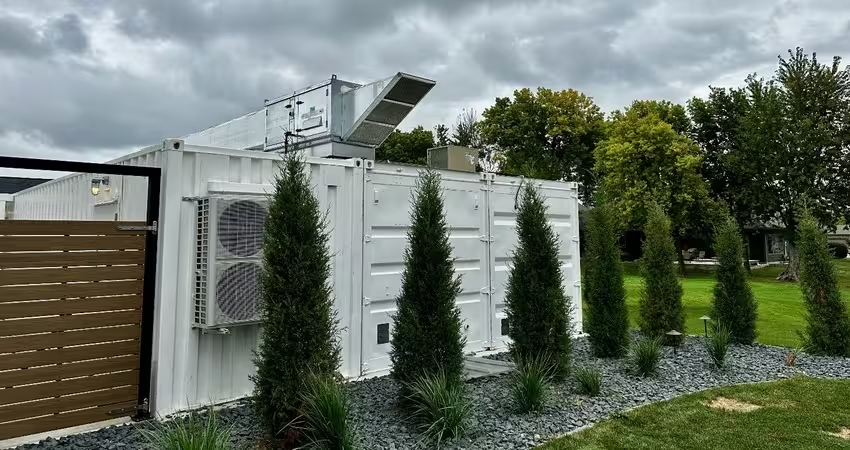
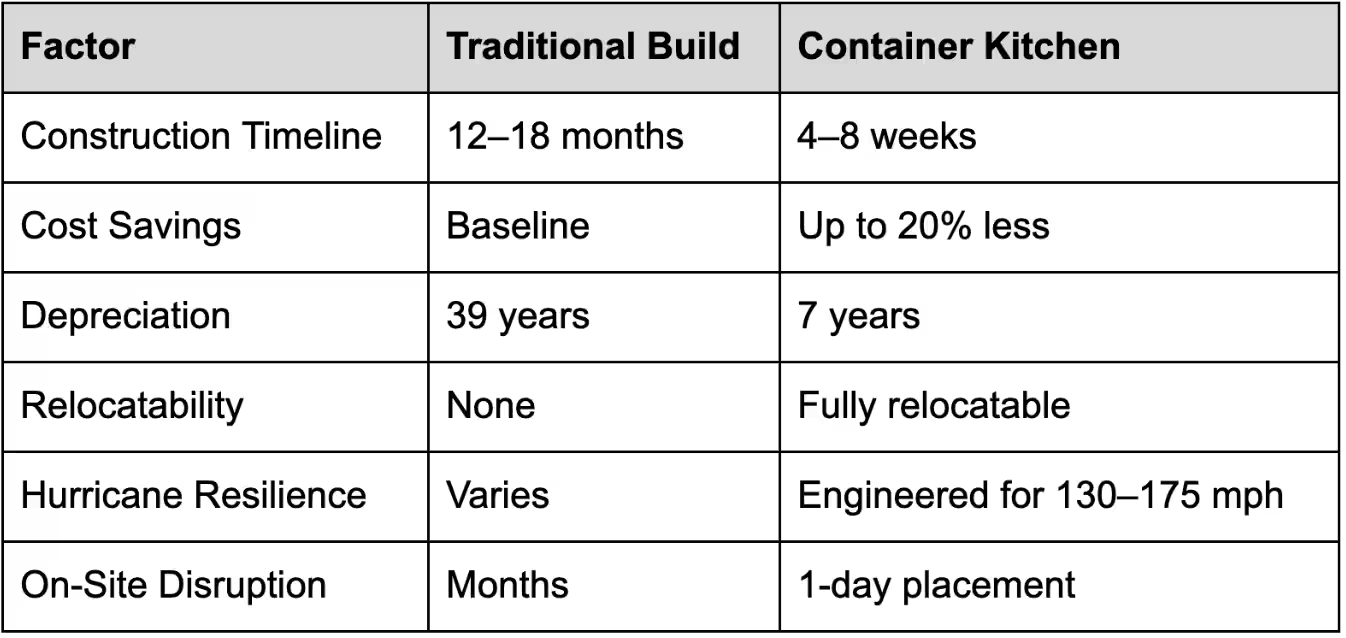
If your hotel, resort, country club, or food service operation is in a hurricane-prone region, a shipping container kitchen offers the speed, resilience, and operational readiness that traditional construction cannot match. ContekPro manufactures turnkey, code-compliant modular kitchens engineered for the most demanding environments — from Gulf Coast resorts to Caribbean island properties.
Contact ContekPro to discuss your project and receive a custom floor plan recommendation.
The information provided is for general guidance only. Actual performance, timelines, and compliance requirements may vary based on location, site conditions, and local regulations.
Yes. Container kitchens built from Corten steel withstand winds of 100–120 mph unanchored, and up to 175 mph when properly anchored to a reinforced concrete foundation with engineered tie-downs. Commercial units built to International Building Code standards include structural reinforcements and sealed penetrations designed for hurricane-zone deployment.
A prefabricated modular kitchen can be operational within 4–8 weeks from order. The unit arrives pre-assembled with equipment, HVAC, plumbing, and fire suppression already installed. On-site work is limited to foundation placement and utility connection — often completed in a single day.
They can be. Commercial-grade container kitchens are built to IBC standards, third-party inspected, and equipped with the same equipment, ventilation, and fire suppression as a brick-and-mortar kitchen. Many operators adopt them as permanent replacements with favorable 7-year depreciation and the added benefit of relocatability. The Insurance Information Institute provides hurricane risk data useful for insurance planning around these assets.